Five Games to Play at Aesthetica 2026

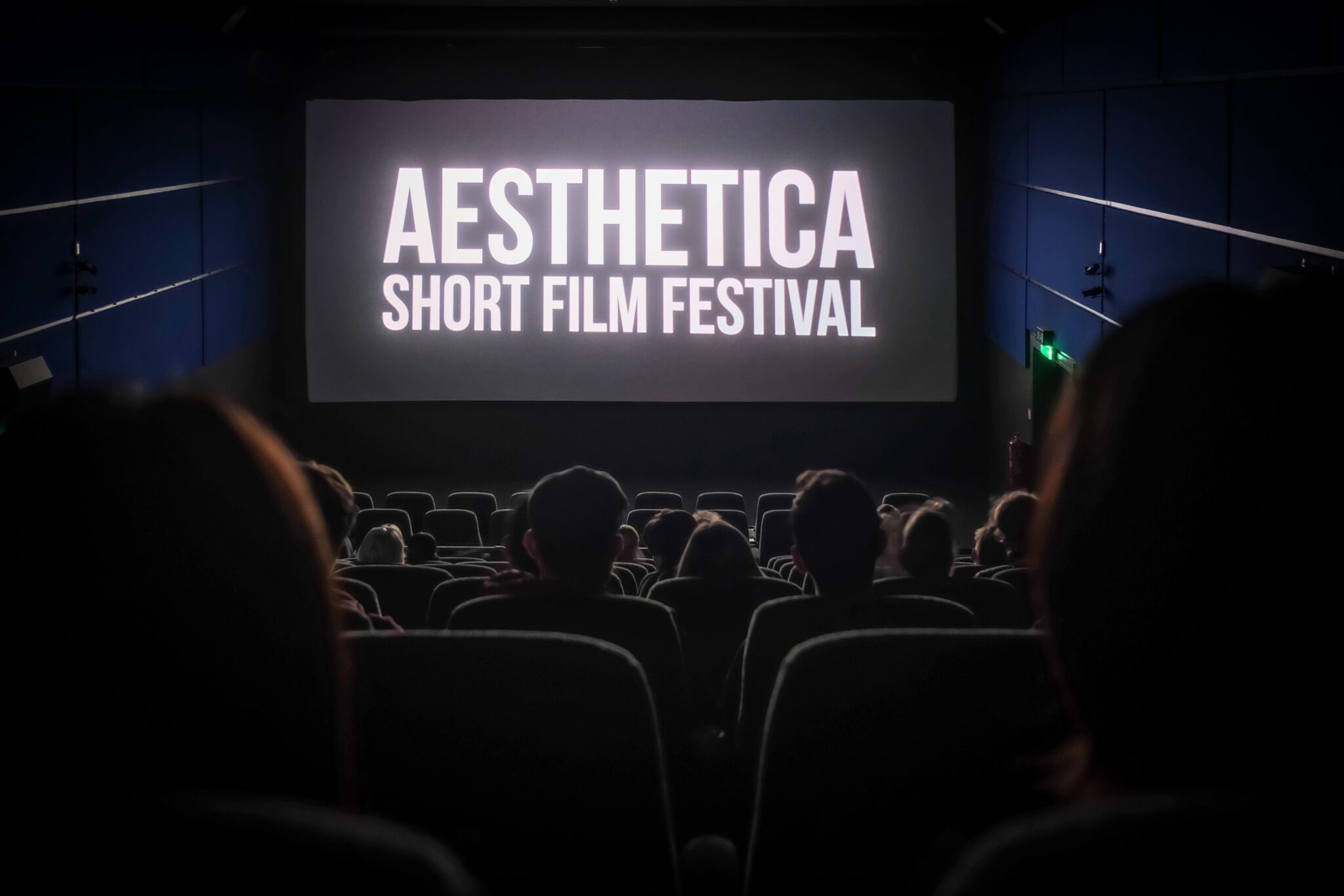
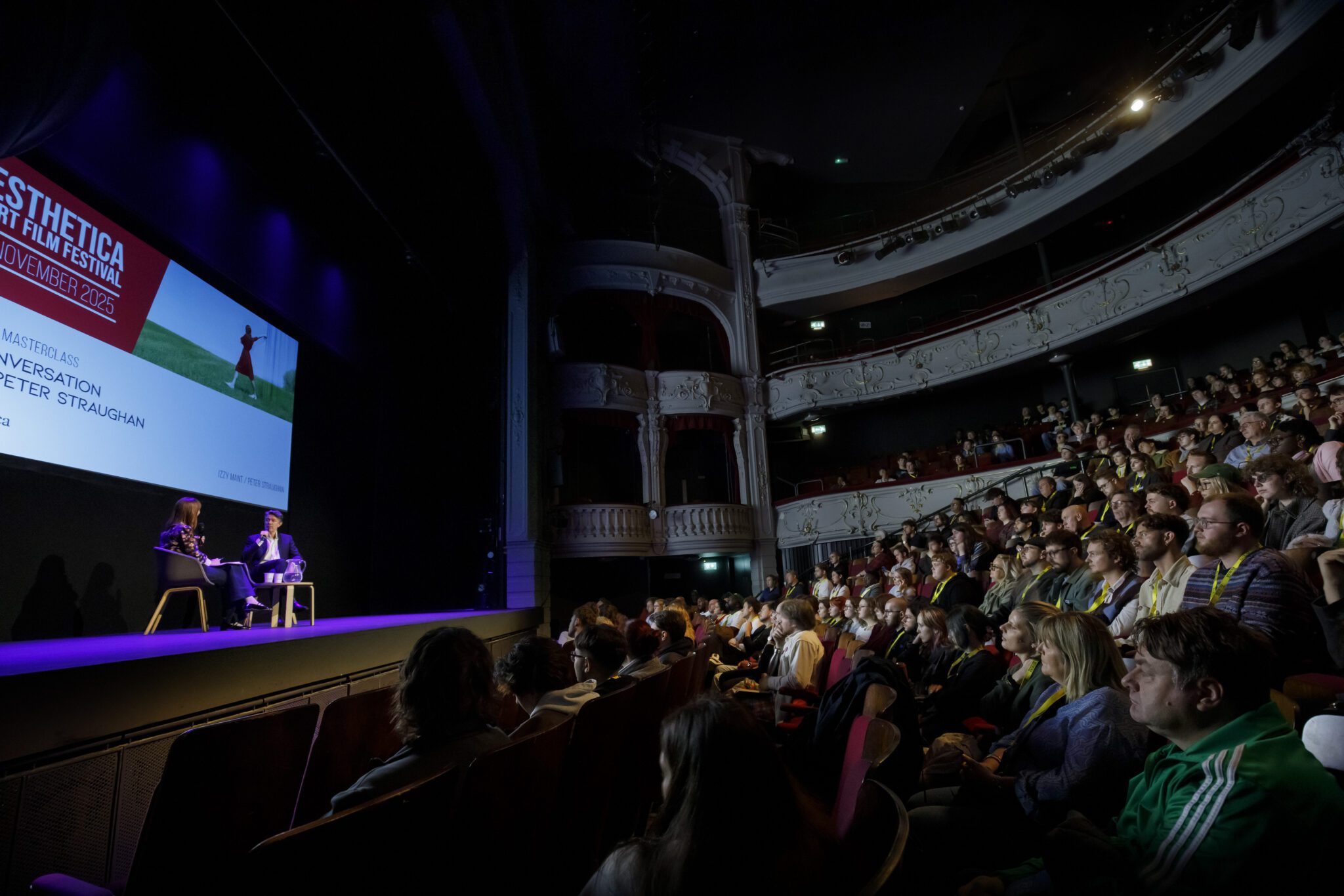
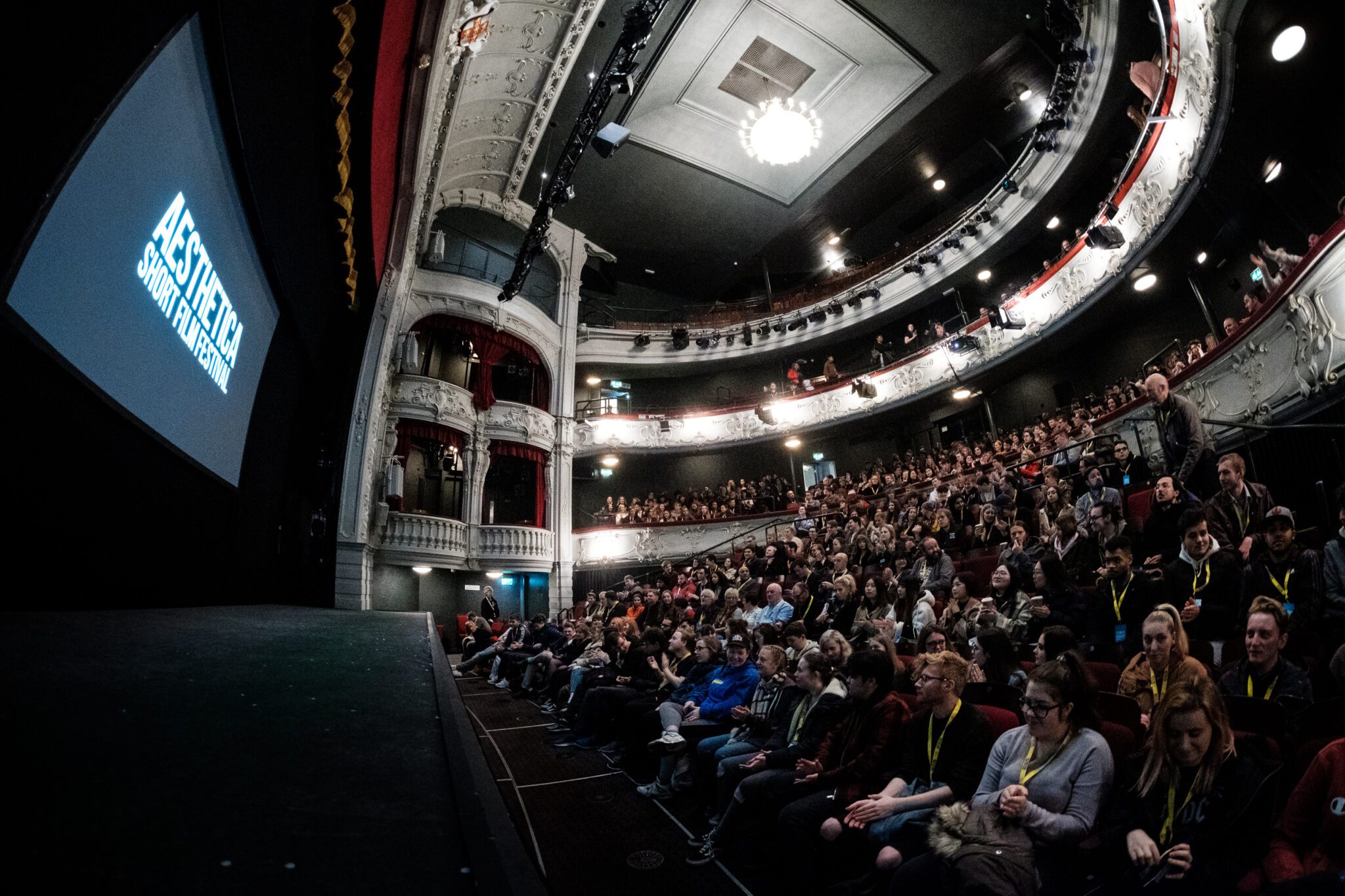
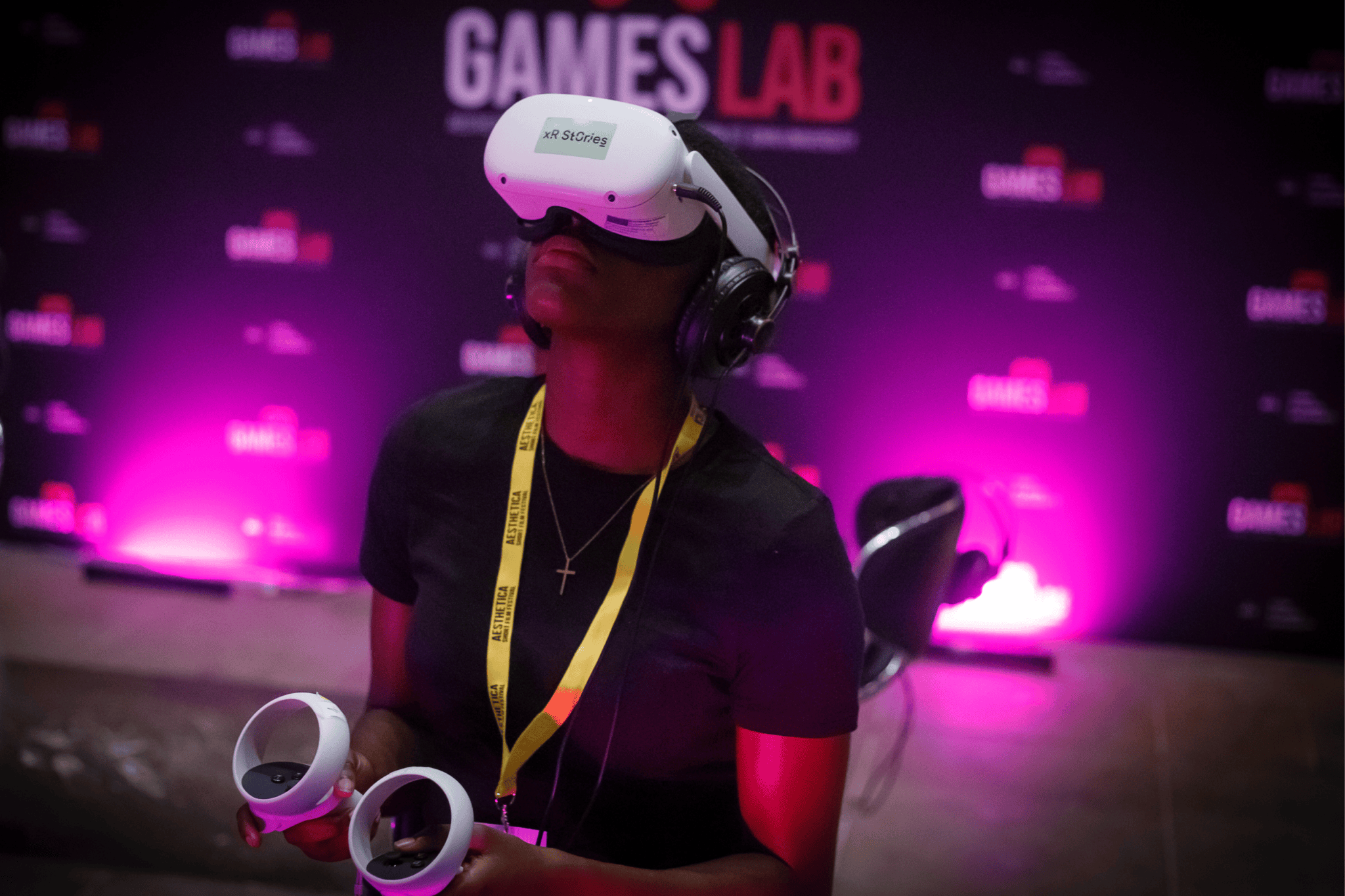
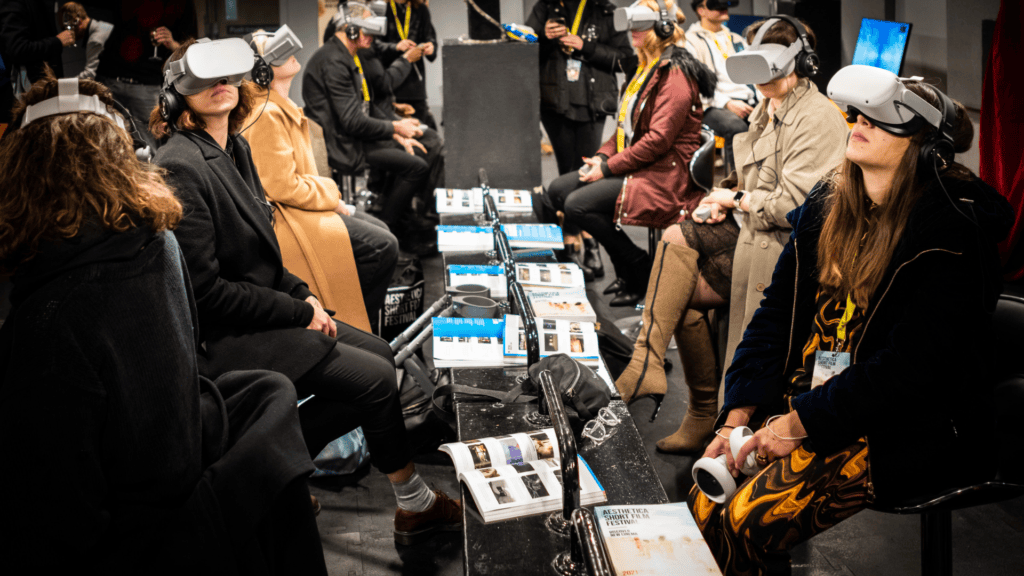
Games make storytelling a shared experience. Rather than just receiving a narrative, players enter its worlds, shape its pace and discover meaning through action, exploration and choice. Aesthetica Film Festival’s Games Lab reflects this creative potential, bringing interactive work into the public programme and recognising games as an important space for experimentation across visual culture, narrative and technology. As the first UK film festival to include games within its public programme, Aesthetica creates a meeting point between different disciplines, where alternative approaches to storytelling can inform and enrich one another.
Play introduces a distinctive relationship between artist, work and audience. A landscape can become a narrative; a decision can carry emotional weight; a puzzle can express an idea as effectively as dialogue or image. This openness to different forms is central to Aesthetica’s curation, which places film, games, XR and other moving-image practices in dialogue rather than treating them as separate creative territories. For Director Cherie Federico, this exchange is fundamental to the festival’s approach: “Storytelling exists across every medium,” and the Games Lab offers audiences a chance to experience how that principle can take shape through play.
The five games selected for Aesthetica 2026 demonstrate the breadth of this field, moving between ecological storytelling, spirituality, speculative worlds, mystery and science fiction. Each creates a distinct relationship between player and narrative, from inhabiting a red panda navigating a burning forest to exploring an immense technological ark on the brink of oblivion. Together, they reveal to us how it is that games can carry complex themes while making the audience an active participant in their unfolding. These are stories to enter, investigate and inhabit – offering a completely different way of thinking about what contemporary narrative can be.
- When the Embers Wake
A dream becomes the entry point for When the Embers Wake, where players take on the role of a red panda moving through a forest engulfed in flames. At its centre is a story shaped by loss and resilience, with the game using fantasy to explore the vulnerability of wildlife and the environments on which it depends. The red panda becomes more than a charming protagonist – it embodies the fragility of an ecosystem under pressure, connecting a personal emotional journey with questions around environmental preservation. Instead of approaching ecological themes through statistics or reportage, the game creates an intimate encounter with a landscape in crisis. Its dreamlike qualities allow grief and environmental loss to exist beside moments of beauty, making the journey as much about endurance and renewal as destruction.
- The Eightfold Path
Spiritual enquiry takes a different form in The Eightfold Path, which draws on the journey of a Buddhist monk seeking enlightenment. Players move through a mystical forest populated by beautiful creatures, magical places, evil spirits and puzzling challenges, creating a world in which progress is connected to contemplation and discovery. The forest operates as both setting and metaphor, with each encounter contributing to a wider meditation on knowledge, difficulty and transformation. Such an approach demonstrates one of games’ distinctive narrative capacities: meaning can be embedded within movement itself, allowing the player’s actions to become part of the storytelling. Exploration is therefore more than a means of reaching the next destination – it becomes a way of experiencing the ideas at the heart of the work.
- Forgotlings
Questions of identity, memory and belonging shape Forgotlings, an award-winning cinematic narrative adventure set within a hand-drawn world inhabited by living forgotten objects. Players lead Fig, an optimistic and curious wooden doll and the crew of the Volare through an imaginative landscape where discarded objects acquire their own histories, personalities and agency. The premise is a connection with a long-standing strand of contemporary art and culture concerned with what societies choose to preserve, what they discard and how value is assigned to things deemed obsolete. Here, those questions become playable, turning ideas about belonging and survival into an environment that audiences must actively navigate. Its distinctive visual language also demonstrates the productive relationship between games, animation, illustration and cinema, showing how interactive storytelling can combine crafted visual composition with exploration and agency.
- Hope in the City
Seventeen-year-old Hope Song believes her future is clear until she returns home to find her apartment ransacked and her parents missing. Determined to understand what has happened, Hope begins an investigation of her own, drawing players into a story built around uncertainty, family and discovery. The familiar conventions of the mystery become a framework for exploring agency, as the audience is invited to investigate alongside the protagonist rather than simply watching events unfold. Curiosity becomes an active part of the experience – players decide where to look, what to examine and how to interpret the information they encounter. In doing so, Hope in the City illustrates how interactive storytelling can transform a familiar narrative structure, making the process of uncovering a story part of the story itself.
- MIO: Memories in Orbit
A massive technological ark provides the setting for MIO: Memories in Orbit, where players take control of MIO, an android exploring a vessel overgrown with machines gone rogue. As the journey unfolds, its labyrinthine environments reveal fragments of the ship’s history, while MIO attempts to uncover its secrets and save its residents from oblivion. Science fiction has long used imagined technologies and artificial worlds to examine relationships between humanity, machines and systems of power, and the game extends this through exploration. The Vessel becomes an archive, with architecture, machinery and atmosphere carrying elements of the narrative that players gradually piece together. This environmental approach speaks to the possibilities of game design, where world-building and storytelling can become inseparable.
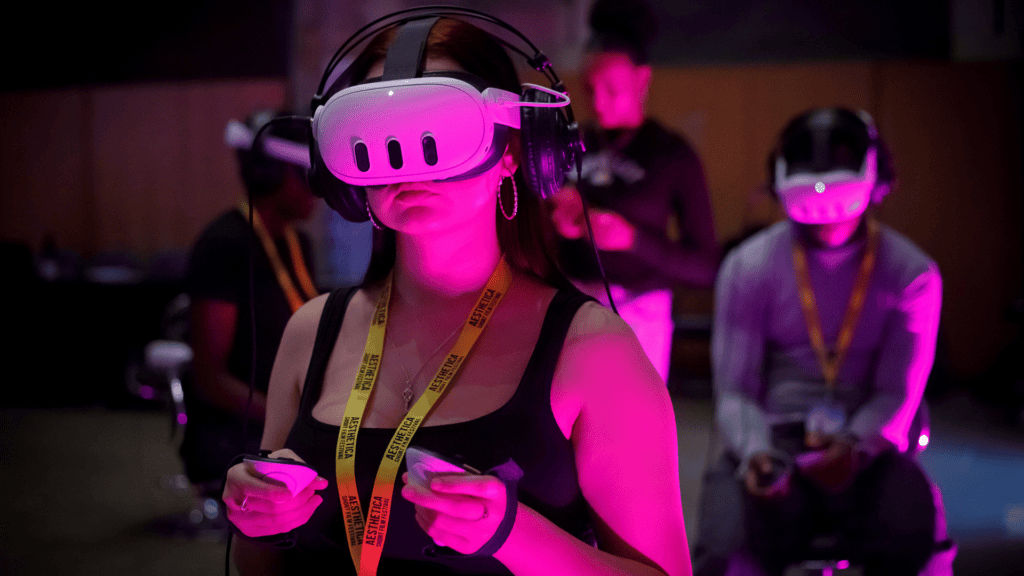
There are 55 games in this year’s Lab, showcasing the range of ideas that are explored through interactive media. Their approaches are markedly different – one considers ecological fragility, another spiritual change, while others examine memory, disappearance, identity and technological survival. What connects them is a readiness to make narrative something that happens through participation, giving audiences a role in discovering and interpreting the worlds they meet. Such experiences expand the vocabulary of storytelling by allowing environment, mechanics, movement and decision-making to carry meaning beside dialogue, image and sound.
This is where the Games Lab’s place within Aesthetica’s wider programme becomes particularly significant. Its curation brings games into conversation with film, XR and other forms of contemporary moving image, creating opportunities for ideas to travel between disciplines. A filmmaker encountering the spatial logic of game design might consider new approaches to pacing or audience agency, while a game developer can draw from cinema’s traditions of framing, editing and visual composition. These exchanges are part of a broader cultural movement towards understanding creative practices as interconnected rather than neatly separated into categories. The Games Lab provides a space for that conversation to happen publicly, through works that audiences can experience for themselves.
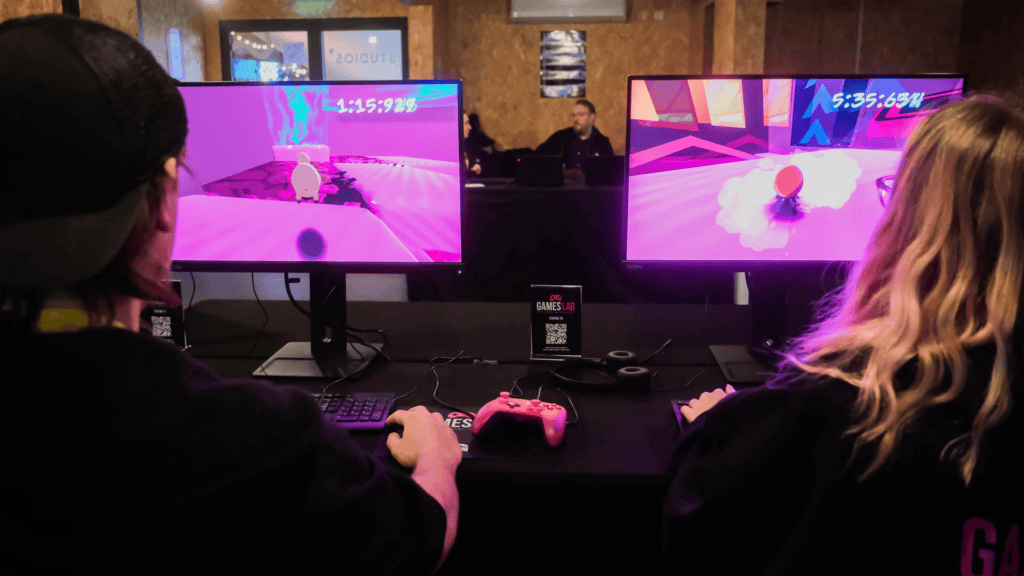
Games have also become an increasingly rich subject for cultural criticism, particularly as artists and designers use the medium to address questions that extend well beyond the realm of entertainment. Interactive works can engage with climate change, spirituality, displacement, memory and technological transformation while retaining the distinctive qualities of play. Their significance lies partly in this combination of ideas and experience – a player does not simply encounter a theme but moves through an environment shaped by it. When the Embers Wake, for instance, makes environmental vulnerability tangible through the journey of a red panda, while MIO: Memories in Orbit turns a technological crisis into an explorable world. Different mechanics can therefore become different ways of thinking.
Aesthetica’s decision to include games within its public programme reflects this increasingly fluid creative landscape. The Games Lab positions interactive work as an equal to film, creating a space in which the two can exist within a broader conversation about how stories are made and experienced. This is also where curation becomes important: bringing contrasting works together allows audiences to identify connections that might not be apparent when media are encountered in isolation. The selection moves between hand-drawn fantasy, science fiction, ecological storytelling and investigative narrative, demonstrating how many forms a game can take. Its diversity becomes a form of dialogue, inviting audiences to consider not only what games tell us, but how their structures make certain stories possible.
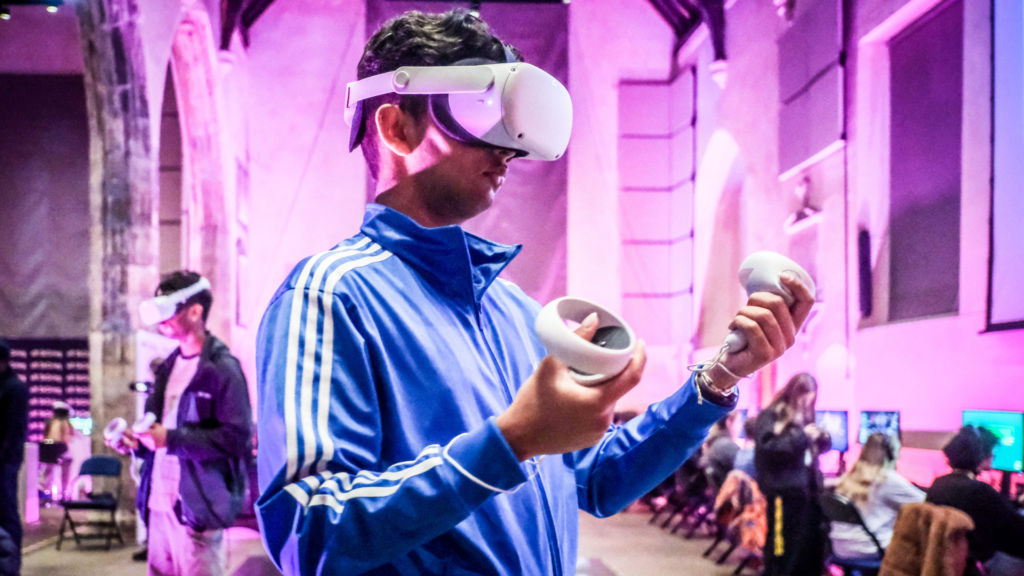
At the centre of these experiences is a simple but enormous shift in the relationship between audience and artwork. Watching a film can create deep emotional and intellectual engagement, while playing a game adds another layer – the audience must move, investigate, make choices and inhabit the world constructed by its creators. That participation does not replace the authorial voice of the artist or developer; consequently, it creates another route through which their ideas can be encountered through. The Games Lab embraces that relationship, reflecting Aesthetica’s interest in the specific points where different creative disciplines meet and influence one another. Across these five titles, storytelling becomes something audiences can enter into, explore and experience entirely from within.
Ultimately, the Games Lab opens up a conversation about the possibilities of contemporary narrative. When the Embers Wake, The Eightfold Path, Forgotlings, Hope in the City and MIO: Memories in Orbit each demonstrate a different way of connecting world-building with ideas, emotion and participation. Together, they show how play can become a vehicle for examining subjects as expansive as environmental change, spiritual discovery, identity and technological futures. By bringing these works into the context of a film festival, Aesthetica creates a space for cross-pollination – allowing filmmakers, game developers, artists and audiences to encounter new approaches to storytelling. The result is a programme that treats narrative not as a fixed form, but as an evolving creative language with more ways to be experienced.
Words: Shirley Stevenson
Aesthetica Film Festival 2026 runs 4-8 November in York, UK. Click here to book your festival pass.