Creativity Is for Everyone: Meet Award-Winning Industry Speakers

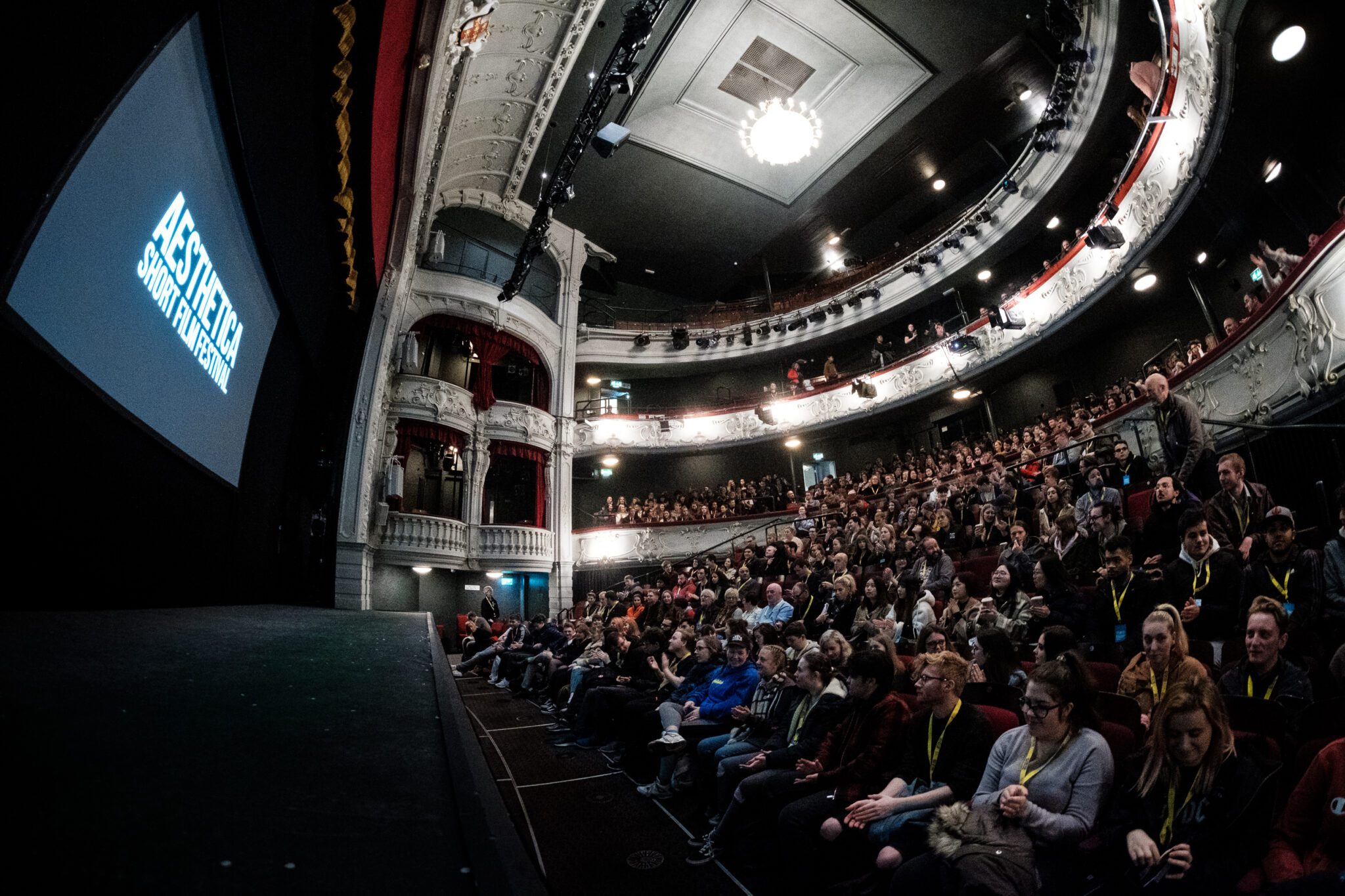
Creativity thrives when knowledge is shared. At Aesthetica, the programme is built around the belief that access to ideas, experience and conversation can transform the way we see – and make – the world. Across film, television, photography, visual art, publishing and beyond, the festival brings together some of the most exciting practitioners working today, creating opportunities to encounter the people behind the work and understand how ambitious ideas become reality. It is an environment where emerging voices can sit beside leading names, where questions are as valuable as answers, and where professional insight is made available to everyone. This accessibility is central to Aesthetica’s purpose – creativity should not belong to a select few, but should be something that anyone can participate in, develop and share.
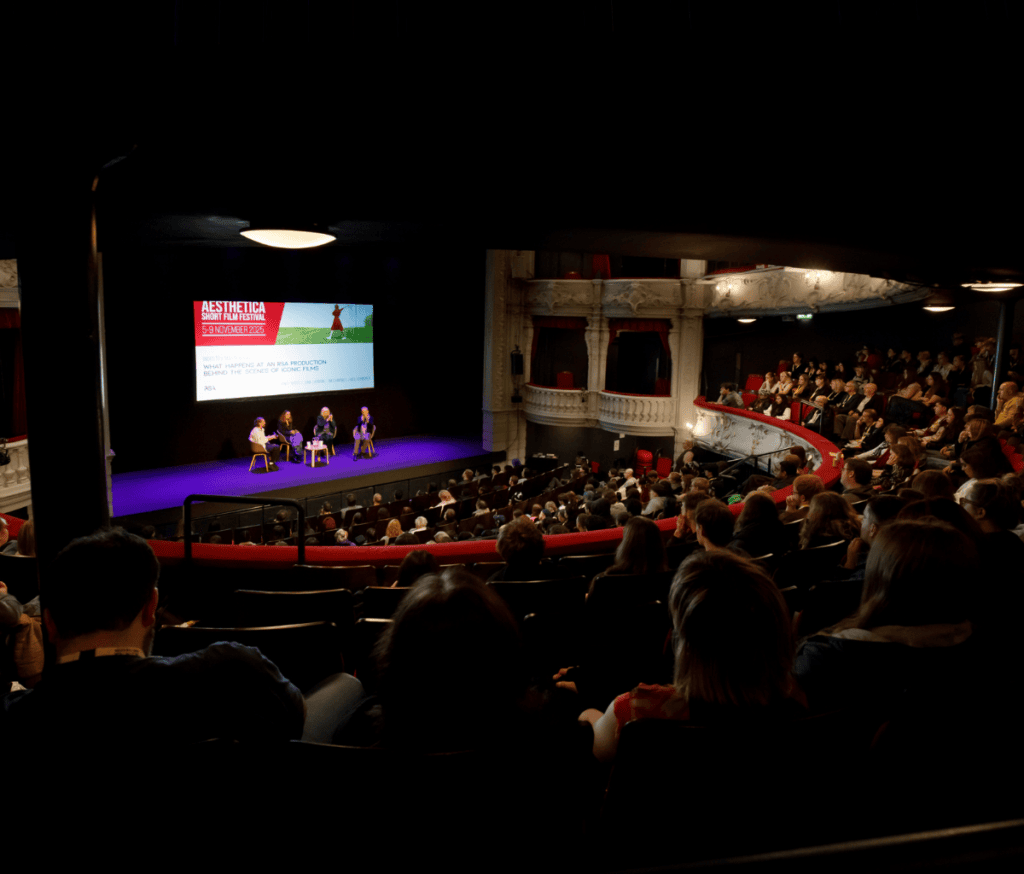
The Masterclasses with Award-Winning Speakers embody this very approach. These sessions open the door to the processes that usually transpire behind closed doors – inside editing suites, sound studios, writers’ rooms and production offices – giving audiences the chance to hear directly from those shaping contemporary screen culture. Rather than presenting creative practice as something mysterious or unattainable, the conversations reveal the decision making, challenges and discoveries that sit beneath finished films and television programmes. They offer practical knowledge, but also something much more expansive: they offer the reassurance that creative careers are built through experimentation, persistence and collaboration as much as through formal expertise. For anyone at the beginning of their journey, developing a project or simply just intrigued as to how exceptional work is attained, these sessions provide you with a rare opportunity to learn from experience.
In A Directing Masterclass: In Conversation with Mark Jenkin, audiences can enter the distinctive cinematic world of one of Britain’s most individual filmmakers. Jenkin’s breakout feature, Bait, announced a filmmaker with a singular visual language, while Enys Men and Rose of Nevada have continued his exploration of folk horror, memory, landscape and the uncanny. His practice is particularly revealing because he occupies multiple roles within his productions, frequently working as cinematographer and editor while embracing small-gauge film as a fundamental part of his process. In conversation with Jessica Loveland of the BBC, he will explore the relationship between image, place and story, offering insight into what it means to develop a genuinely personal filmmaking language. For aspiring directors, the is not simply a lesson in directing – it is an invitation to think about authorship, resourcefulness and the possibilities that emerge when creative decisions remain connected.
Bohemian Rhapsody to Wuthering Heights: A Masterclass in Sound Design shifts attention from what we see to what we hear. Sound can determine atmosphere, establish a sense of place and shape the emotional rhythm of a scene, yet its contribution is often invisible to audiences once a film is complete. Academy Award-winning Nina Hartstone and Emmy-winning Louise Burton bring decades of experience across major productions including Bohemian Rhapsody, Saltburn and Emerald Fennell’s Wuthering Heights, making this an opportunity to understand the craft at an exceptional level. Through their shared experience, the session will consider dialogue, effects, foley and the subtle layers of audio that make cinematic worlds feel tangible. It demonstrates the wider philosophy of Aesthetica’s programme – that every aspect of creative production matters, and that understanding the detail can have massive implications of change that shift the way we experience the whole.
The question of who gets to tell a story comes to the fore in Global TV, Regional Context: Hear from Producer Brian J. Falconer. Derry Girls demonstrated how a deeply regional story can achieve extraordinary international resonance, transforming the experiences of five teenagers growing up during the Troubles into one of television’s most recognisable comedies. Producer Brian J. Falconer, whose credits also include How to Get to Heaven from Belfast and Ordinary Love, offers an insight into the creative and production decisions involved in bringing stories rooted in specific communities to wider audiences. The session asks what makes a local story universal without stripping away the qualities that make it distinctive in the first place. It is a valuable conversation for writers, producers and filmmakers working outside traditional centres of the industry – and for anyone who is interested in how authenticity has the power to become a strength rather than a limitation.
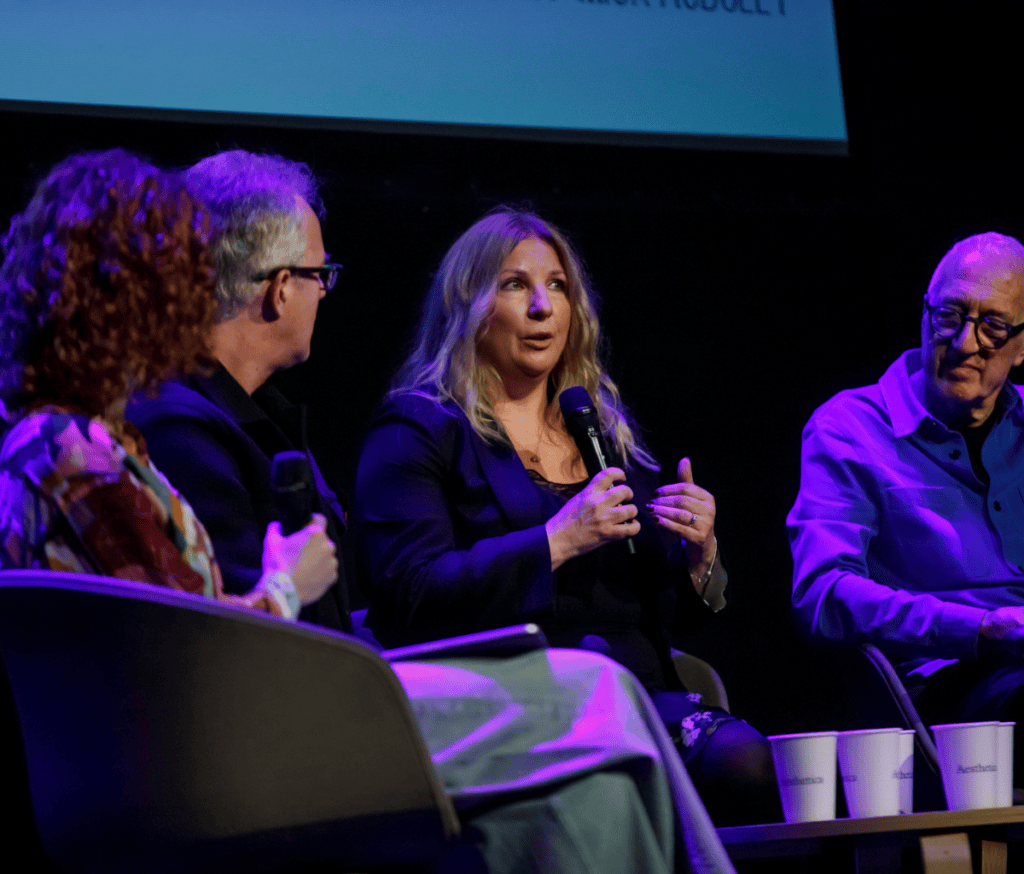
Then there is The Final Cut: What Happens in the Edit, a reminder that the story audiences eventually encounter is often discovered rather than simply assembled. BAFTA-winner Mick Audsley, whose credits include Harry Potter and the Goblet of Fire and Dangerous Liaisons, joins BAFTA-nominee Victoria Boydell, who worked on Saltburn and Wuthering Heights, alongside Justine Wright, whose credits encompass both drama and documentary including The Last King of Scotland and Touching the Void. Chaired by Presenter and Executive Producer Holly Newson, the conversation will enter the cutting room to examine how rhythm, structure, performance and perspective can transform material. Editing is sometimes described as a technical stage of production, but the work of these practitioners reveals it as a deeply creative act – one in which meaning can shift with the removal of a single frame or the repositioning of a scene. For audiences, it offers them a rare chance to understand the evolution process of stories after filming has finished, and how the final form can emerge through collaborative efforts, instinct and careful interrogation.
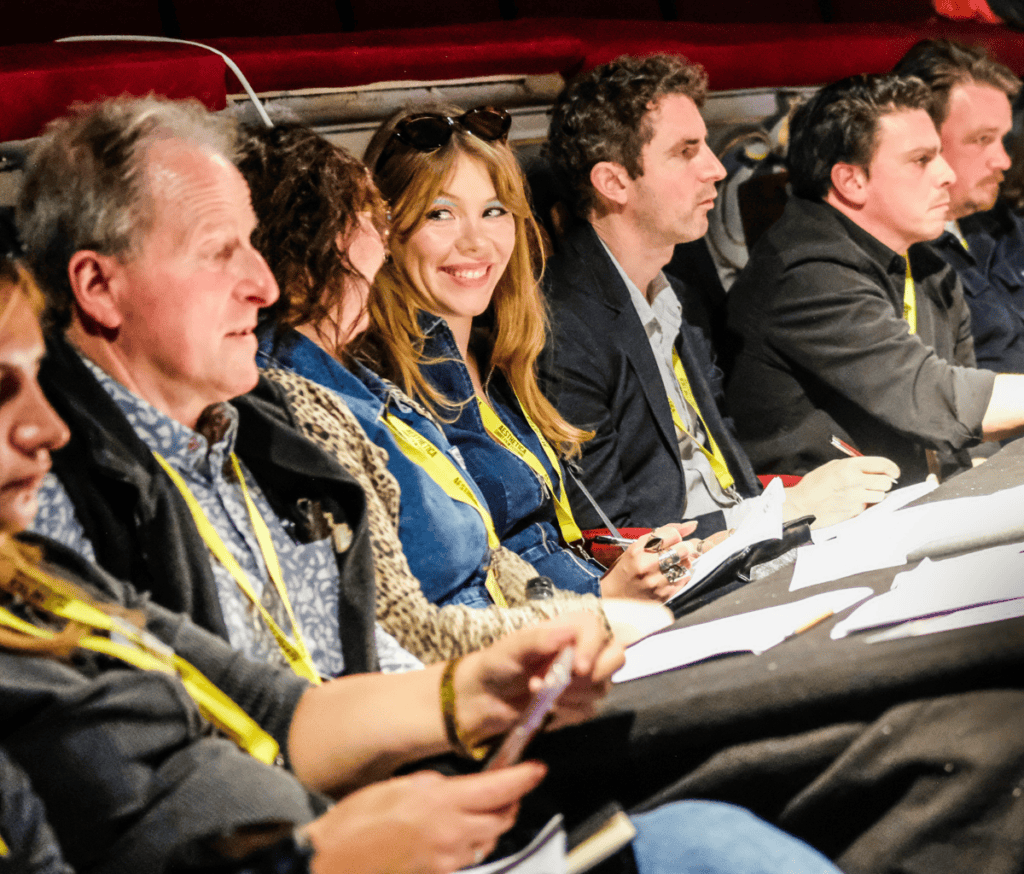
Writing for Television: Neil Forsyth in Conversation brings the focus back to the page – the place where many screen stories begin. A multi-BAFTA and Royal Television Society Award-winner, Forsyth has developed a body of work that moves between crime, comedy and character-driven drama, with credits including Guilt, The Gold and Eric, Ernie and Me, alongside Netflix’s Legends. His work demonstrates how television writing can balance compelling narrative with complex characters and a strong sense of place, while reaching audiences at scale. The masterclass will offer practical insights into the craft of screenwriting, exploring the choices involved in developing drama and sustaining stories across a series. For emerging writers in particular, hearing from an established practitioner can demystify the path from an initial idea to a commissioned production – transforming an abstract ambition into a process that can be understood, questioned and developed.
These conversations sit within a wider Aesthetica programme designed to make creative exchange possible across disciplines. The festival is not simply a showcase of finished work – it is a meeting point between artists, filmmakers, writers, photographers, curators, producers and audiences, with opportunities to encounter new ideas and understand the practices behind them. That breadth matters because creativity rarely exists within one category; filmmaking can draw from photography, writing can influence visual art, and a conversation about production can spark an entirely unexpected project. By bringing different perspectives into the same space, Aesthetica creates an environment in which knowledge moves in multiple directions – from established practitioners to emerging artists, but also between audiences themselves. The programme therefore becomes more than a series of events; it becomes a shared resource for anyone who wants to learn, question, experiment and participate.
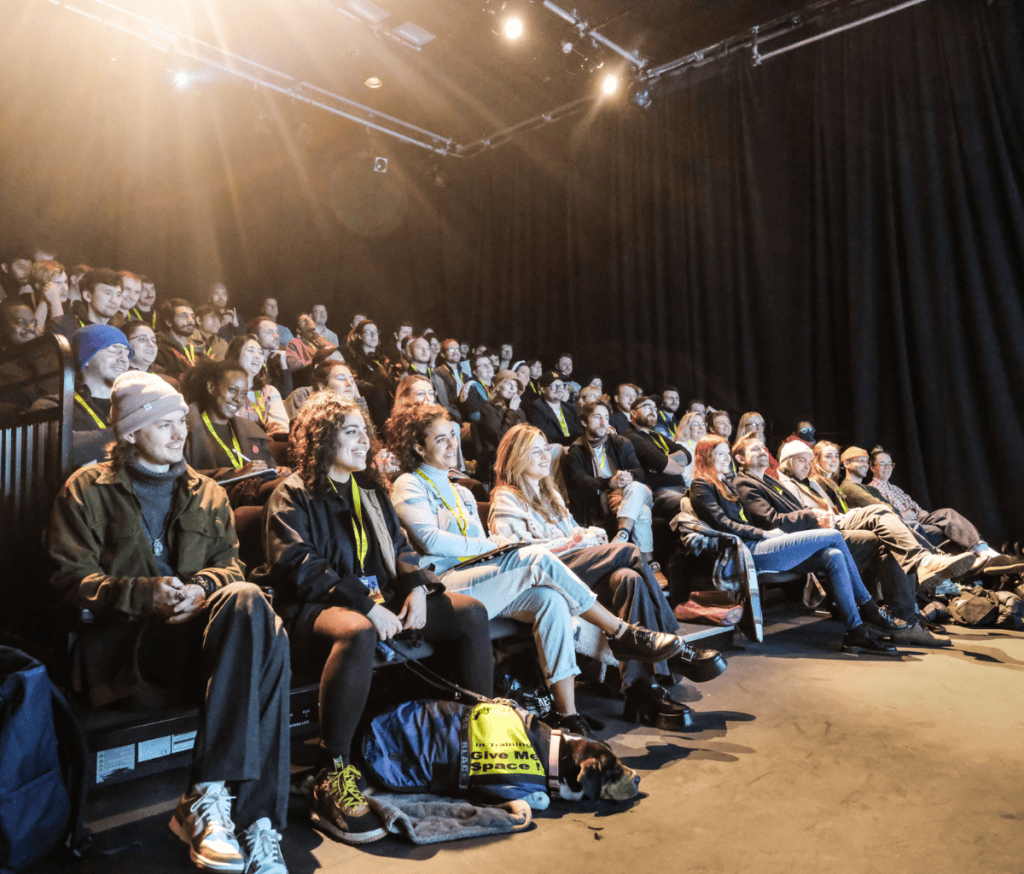
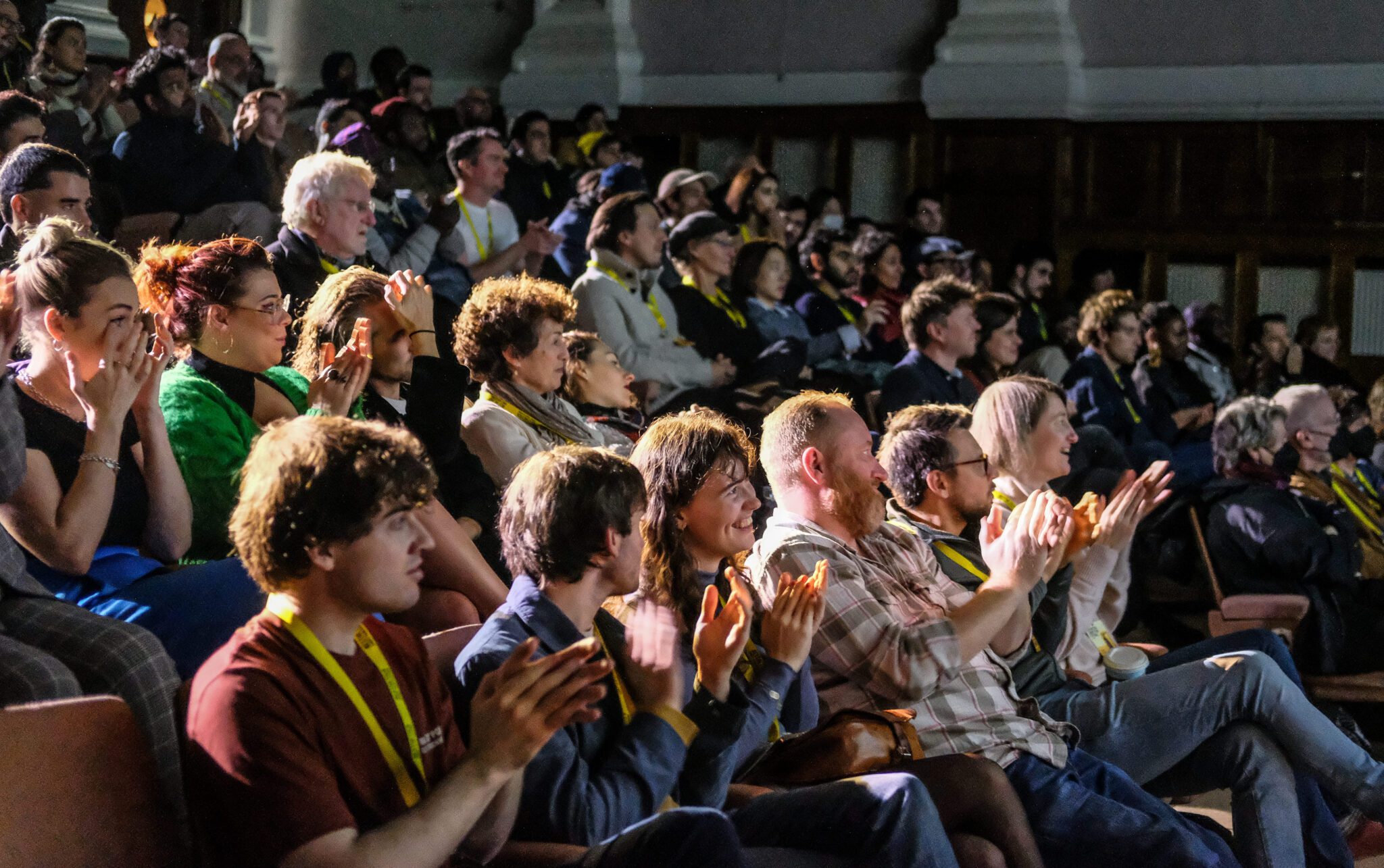
At the heart of this is accessibility. The value of bringing award-winning speakers to Aesthetica is not simply that audiences can hear from people whose names appear in credits and award ceremonies – it is that their knowledge becomes something that can be encountered directly. A student can ask a question, an emerging filmmaker can discover a new approach, an established practitioner can find inspiration in another discipline, and someone attending simply out of curiosity can leave with the confidence to begin making something themselves. This openness is essential because creativity is not reserved for those who already have the right networks, vocabulary or professional experience. Aesthetica’s Masterclasses are an invitation to enter the conversation – to expose yourself and learn from the industry, share knowledge with others and recognise that there is space for everyone to contribute and express themselves within the creative landscape.
Aesthetica Film Festival 2026 runs 4-8 November in York, UK. Click here to book your festival pass.
Words: Simon Cartwright