Beyond the Screen: XR, New Technologies and the Future of Transmedia

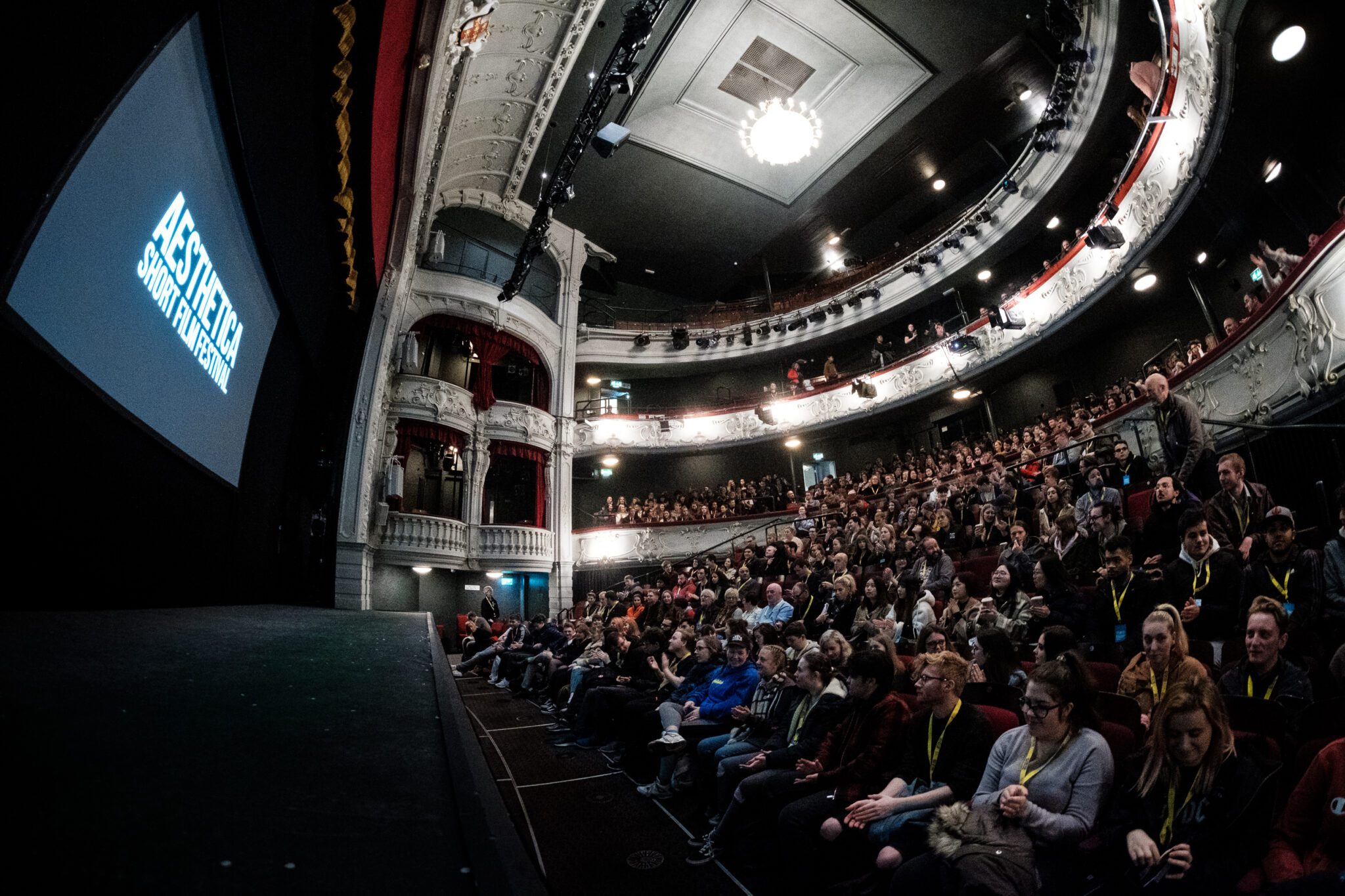
At the heart of the Aesthetica Film Festival is a simple belief: cinema is not only something we watch, but also something we question, discuss and continually reinvent. Since its beginnings in York, the festival has developed as a meeting place for artists, filmmakers, academics, students, industry professionals and audiences, creating a space where knowledge moves in every direction. Screen culture is changing at extraordinary speed, from the emergence of immersive media to the expanding influence of games, artificial intelligence and new forms of digital storytelling. Our public programme responds to these shifts by placing learning and dialogue beside screenings, recognising that the most exciting developments emerge when disciplines, perspectives and generations meet. An ethos that has shaped Aesthetica for over a decade.
Over the past 16 years, our Masterclass Programme has delivered more than 1,000 sessions with some of the most influential people working across the creative industries. These are opportunities to go behind the scenes, to hear directly from practitioners about the decisions, challenges and discoveries that have shaped their work in the past, and to ask the difficult questions that do not always have the easiest of answers. Across the years, the programme has welcomed filmmakers including Andrea Arnold, Sarah Gavron, Sally Potter and Asif Kapadia, alongside actors, writers, producers, cinematographers, editors, composers and creative leaders from organisations such as the BBC, Film4, Aardman, Framestore, Industrial Light & Magic and Ridley Scott Associates. The most recent editions have included screenwriter Peter Straughan, composer Simon Franglen, actor and games director Abubakar Salim, cinematographer Mick Audsley and production designer Sonja Klaus.
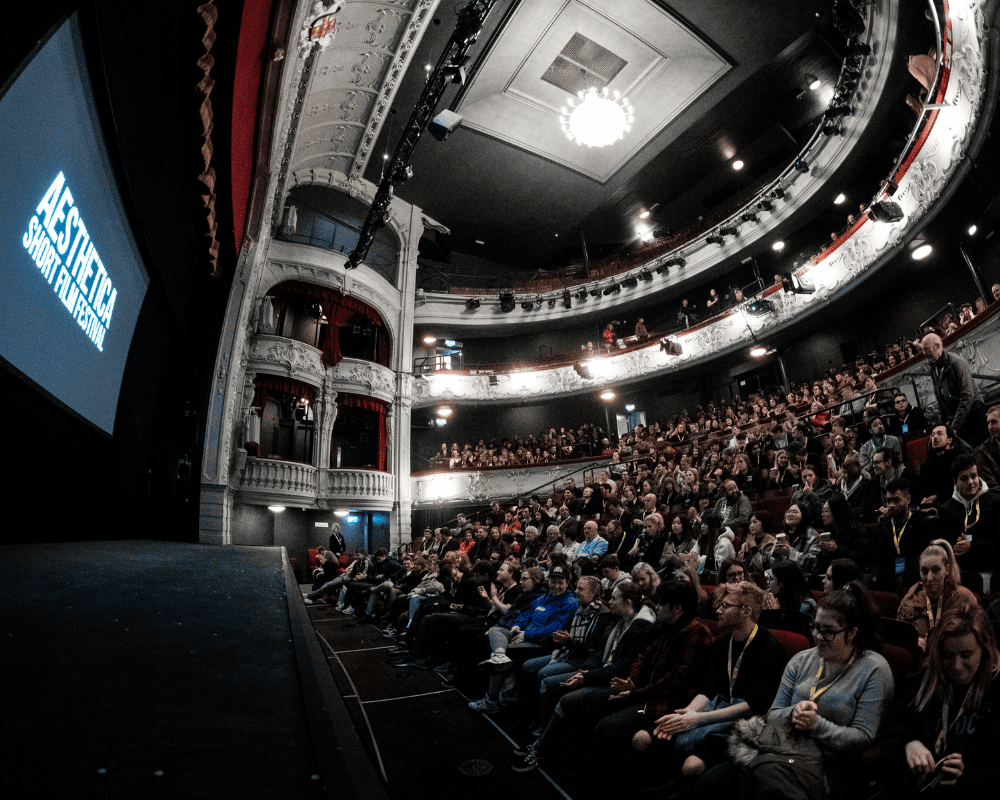
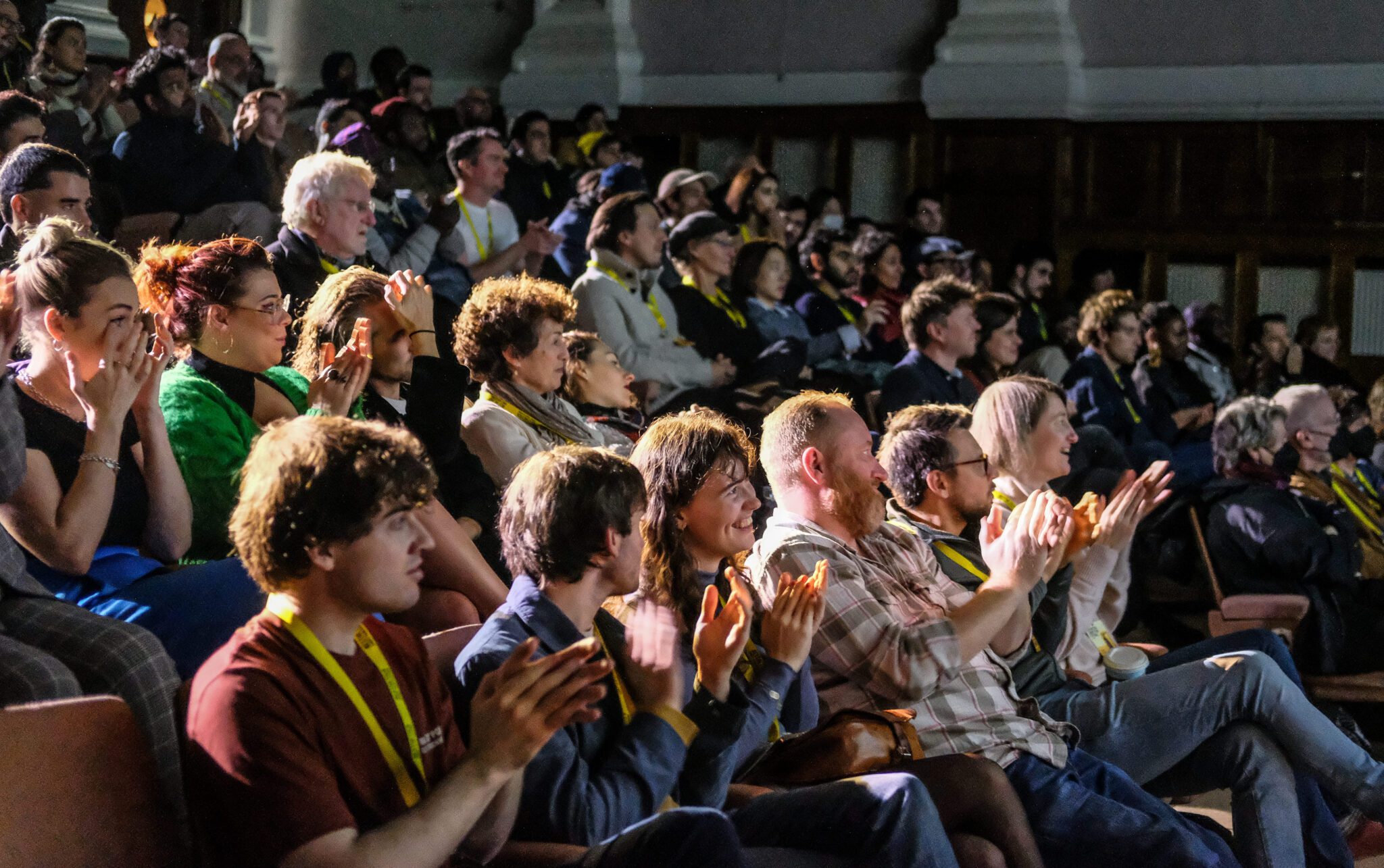
The value of these encounters is not simply access to expertise, although that is undoubtedly part of it. A masterclass is a conversation between experience and curiosity, giving emerging practitioners the chance to understand how careers are built while established creatives are challenged by new questions and perspectives. In 2018, for example, the festival brought together figures from Dazed, Framestore, StudioCanal, Aardman, BBC and other leading organisations, alongside editor Mick Audsley and Vogue, demonstrating the breadth of the creative ecosystem that surrounds contemporary screen culture. The following year, speakers included Simon Chinn, Richard Billingham and representatives from ILM, Sky VR and Baby Cow, while later programmes have continued to bring established names and new voices.
This spirit of curiosity is also why Aesthetica was an early adopter of XR. In 2018, we launched the Screen School VR Lab, creating a dedicated space for virtual reality, 360-degree cinema and immersive work at a time when the language, technology and possibilities of the medium were still being actively debated. Rather than treating VR as a novelty or a technological sideshow, the festival placed it within the wider conversation around cinema, storytelling and audience experience, accompanied by discussions that asked what immersion could mean for artists and audiences. The approach has continued to evolve through the VR and Immersive Experiences Lab, now developed in partnership with York St John University, which brings together 360° films, interactive installations and emerging forms of immersive storytelling.
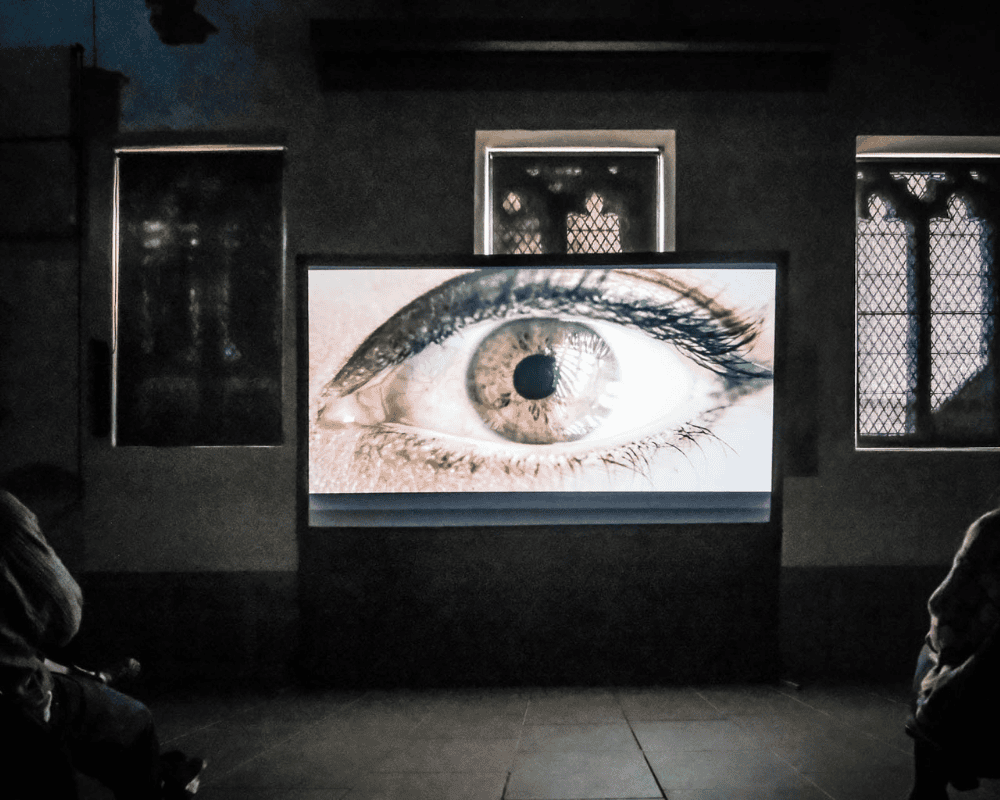
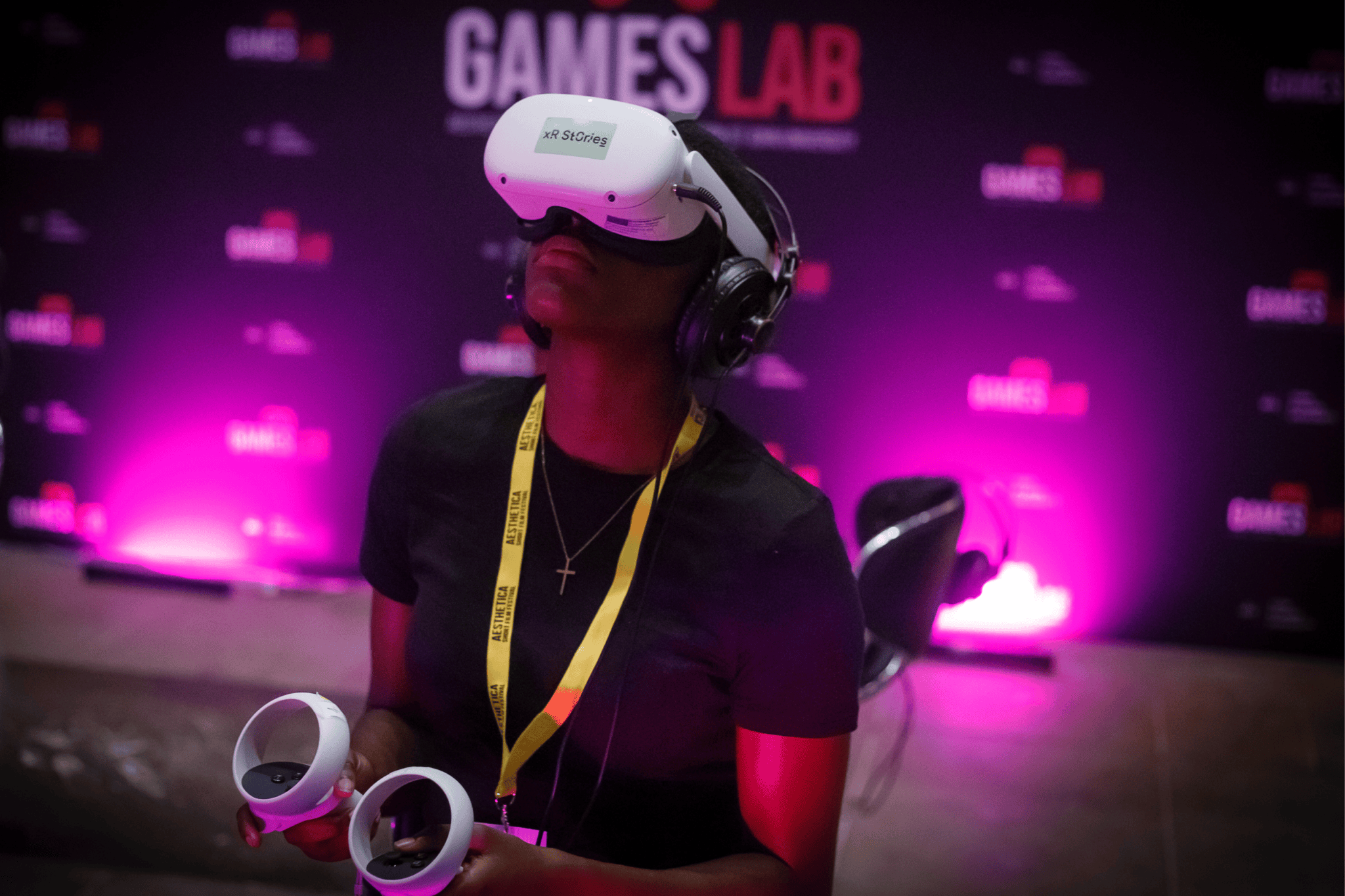
The next step was games. Four years ago, Aesthetica opened the Games Lab in partnership with, extending the festival’s understanding of screen culture into interactive worlds and player-led storytelling. In 2023, we became the first UK film festival to programme games as part of our public programme, presenting 50 titles by independent developers and creating a space where audiences could encounter games with film and VR. The decision was rooted in the same principle that guides our approach to XR: the boundaries between forms are increasingly fluid, and the most interesting work often happens in the spaces between settled disciplines.
Games are now firmly part of this wider conversation, because they ask audiences to do something cinema traditionally does not: participate in the construction of the experience. The Games Lab therefore becomes more than a showcase, it is a place to play, experiment, exchange ideas and consider where storytelling might go next. Working with partners including investigate.games, led by academics at York St John University, we have developed a programme that connects creative practice with research and public engagement. This intersection of technology, culture, creativity and inquiry provides the foundation for our latest initiative, Virtual Imperative II.
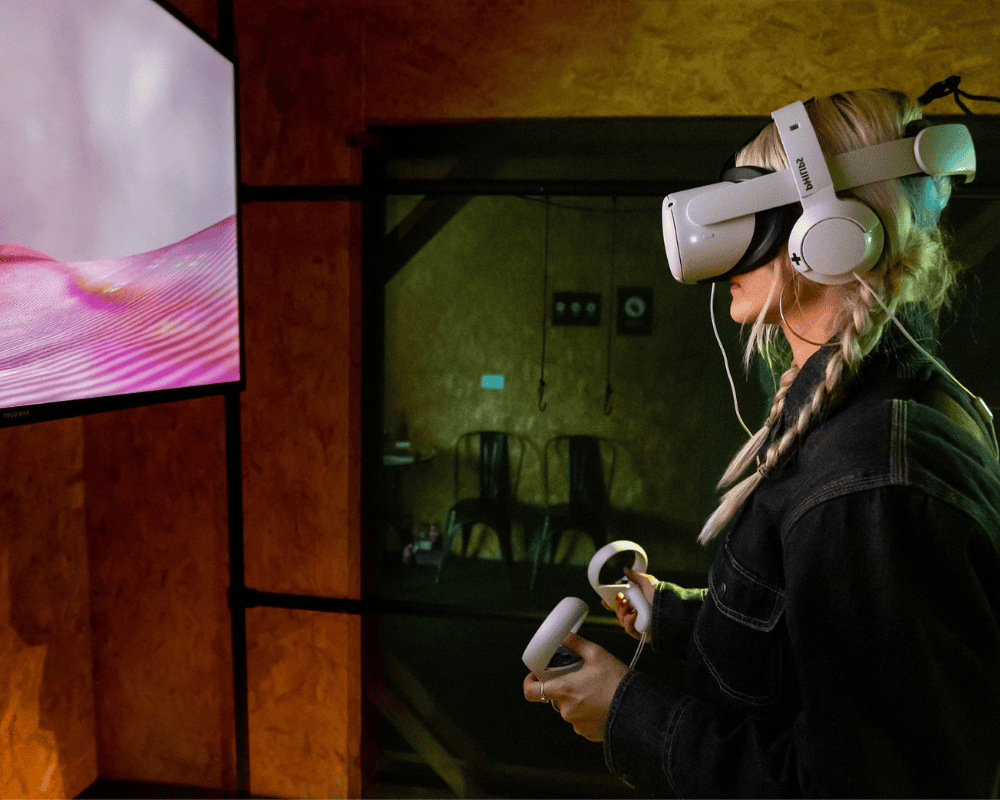
On Thursday 5 November in York, Virtual Imperative II: Transmedia Uses of XR offers a one-day academic conference delivered in partnership with York St John University. The conference considers a moment comparable, in some respects, to earlier technological revolutions: Gutenberg’s printing press transformed communication because the social and technological conditions for change were in place, while the digital revolution of the 20th century similarly altered how knowledge and culture could circulate. Today, virtual and augmented reality are established technologies, but their wider cultural, educational, creative and social implications are still being defined. As immersive media and digital culture evolve, XR demands critical attention as both a technological and cultural imperatives.
Virtual Imperative II brings academics, researchers, postgraduate students and creative practitioners of the industry together to explore how extended reality is actively reshaping knowledge production, storytelling, audience experience, pedagogy, digital culture and interdisciplinary practice. The conference is deliberately structured as a meeting point between the two disciplines research and practice, with academic paper sessions complemented by curated visits and festival activity.

The day begins at SPARK with coffee, networking and the first academic session, featuring three presentations on current developments in XR, immersive media and digital creativity, before delegates visit the VR & Games Lab at the National Centre for Early Music. After lunch, the programme continues with the UNESCO City of Media Arts Expo at the De Grey Rooms, before moving to the Yorkshire Museum for The Future of XR: Entertainment and Beyond, a festival masterclass examining the transformation of screen culture, immersive storytelling and audience engagement. Finally, the day will conclude with a return to SPARK for a second academic paper session, followed by the VR & Games Happy Hour at the Tippee Thor’s in the Museum Gardens where attendees will be given a free welcome drink upon arrival.
This is what makes Virtual Imperative II distinctive: it is a conference within the film festival, rather than an event operating separately from it. Delegates can engage with new research from leading academics, while simultaneously experiencing the wider ecosystem of Aesthetica, attending industry sessions, visiting spaces dedicated to games and VR, encountering the UNESCO City of Media Arts programme and meeting practitioners working at the forefront of creative technology. It creates the conditions for ideas to move beyond the conference paper and into conversation with filmmakers, designers, developers, artists, educators and audiences. With capacity limited to 60 delegates, the event is intentionally intimate, allowing for meaningful discussion, knowledge exchange and the possibility of future partnerships.
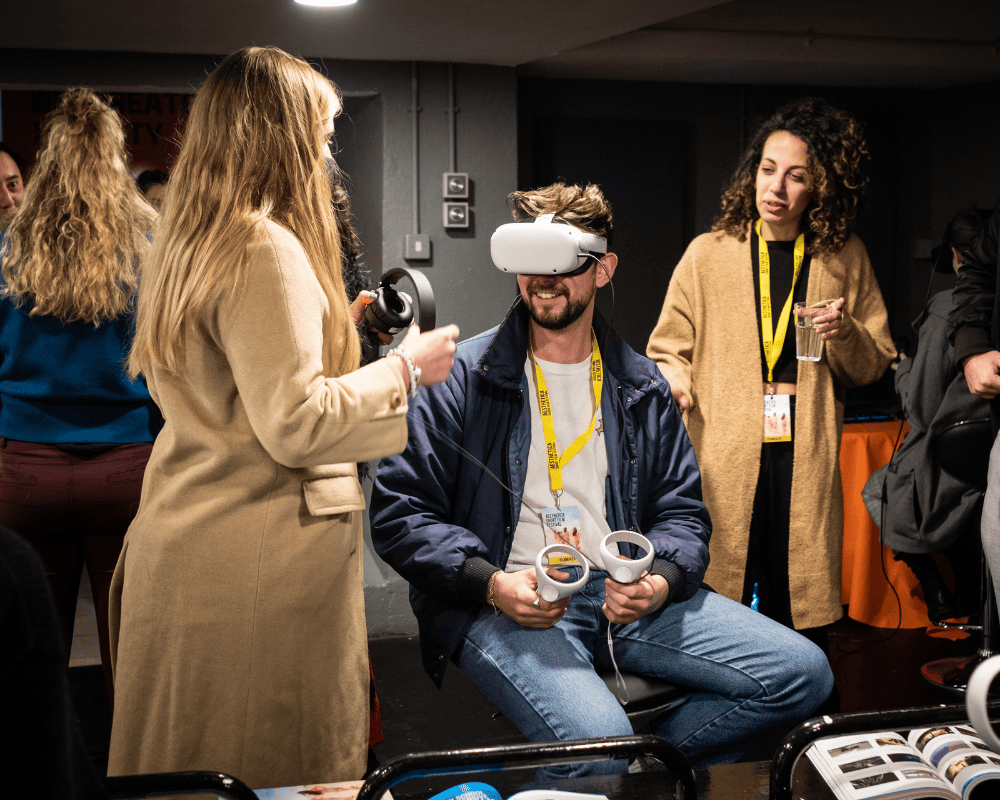
We are now inviting submissions from academics, researchers and postgraduate students working across XR, VR, AR, mixed reality, immersive media, games, performance, digital storytelling, creative technologies, screen culture, education and media arts. We welcome theoretical, practice-based, pedagogic, technical, cultural and interdisciplinary perspectives, particularly those examining audience experience, research methodologies, creative production, teaching and learning, cultural participation, accessibility, ethics and the future of entertainment. Suggested areas include immersive storytelling, film, games and performance; XR in education; practice-based research; the Metaverse, digital identity, ownership and authorship; accessibility and social impact; sustainability and ethics; and new approaches to audience participation. Selected papers are presented across two sessions, with three papers in each, followed by discussion and opportunities for knowledge exchange.
Learning has always been part of Aesthetica’s DNA because culture only moves forward when we create spaces in which people can test ideas against one another. From our first masterclasses to the introduction of VR, from the Games Lab to Virtual Imperative II, the festival has continually expanded the definition of what a screen can be and what an audience can do. The future of XR will not be shaped by technology alone, but by the talks we have around it, the questions we ask and the collaborations that emerge when different forms of knowledge come together. Join us in York on 5 November and become part of the Aesthetica Film Festival community.
Book your ticket for Virtual Imperative II: Transmedia Uses of XR and take your place in the conversation about what comes next.
Appy to present your research. Email Warren Fearn – W.Fearn@yorksj.ac.uk
Words: Shirley Stevenson