This Is the Place: Opening Night at Aesthetica Film Festival

There are moments when a city seems to gather its cultural energy into one place – when audiences, artists and ideas arrive from across the world and, for a few days, create something larger than the individual events themselves. In York, that moment arrives with the BAFTA-Qualifying Aesthetica Film Festival, when cinemas, venues and streets become a meeting point for contemporary screen and media culture. Last year, attendees travelled from over 60 countries to be part of the festival, bringing an international dimension to a city already steeped in history and culture. For five days, York becomes a place of discovery and debate, where emerging filmmakers sit alongside established voices and audiences move between fiction, documentary, animation and experimental work – and opening night is where that conversation begins.
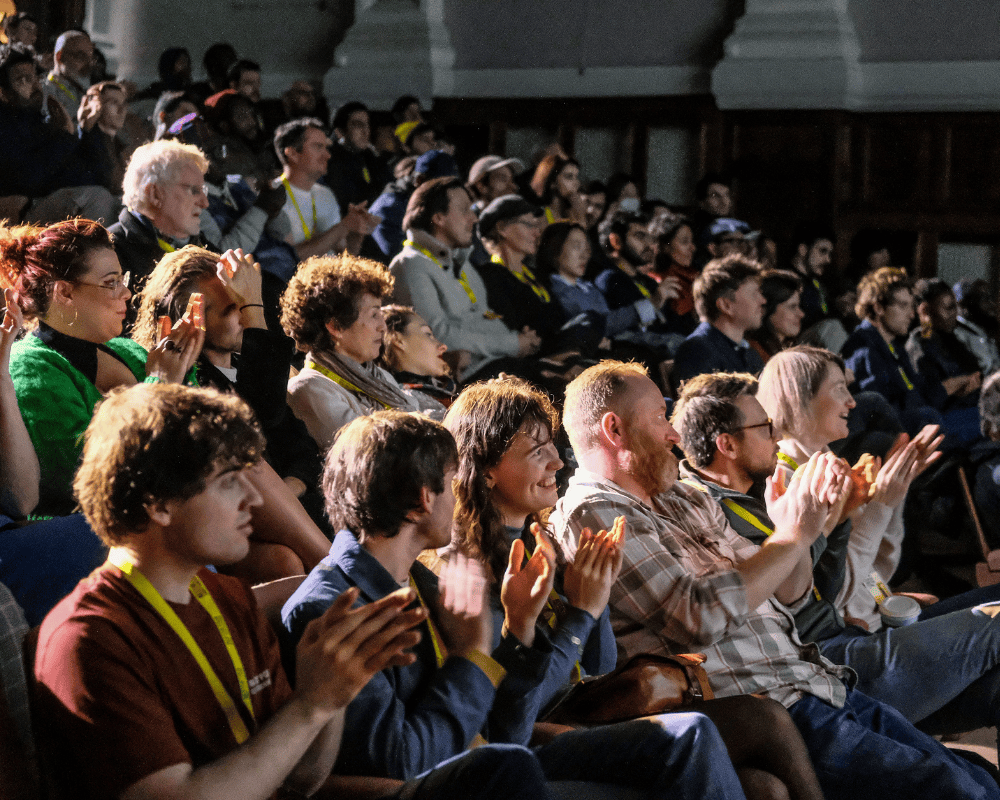
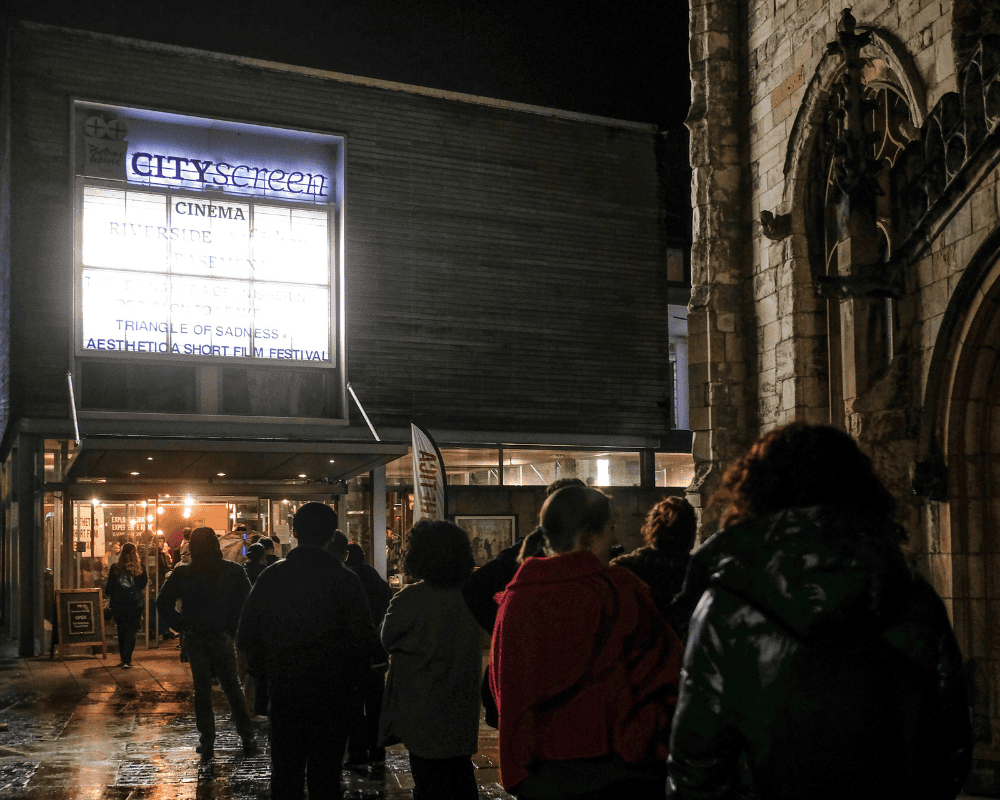
There is a sense of anticipation to arriving at the festival at the start of those five days – the first conversations beginning in the queues, the programme coming into focus, the knowledge that somewhere across the city a film is being watched for the first time by an audience that may carry its ideas with them long after the credits. Aesthetica creates a space in which cinema is not isolated from the world around it, but connected to it – to politics, culture, technology, identity, place and the questions that shape how we live now. The festival is a catalyst for curiosity, bringing people who might otherwise never share the same room and giving them reasons to stay, talk and look more closely. It is this sense of possibility that makes the opening of the festival so significant – a moment when the city turns towards the screen.
Much of this comes through Director Cherie Federico’s approach to curation. Her programme moves through people and places, personal histories and collective experiences, bringing together filmmakers whose work can speak across borders and contexts. Stories that might otherwise remain within a particular community, geography or conversation are given the opportunity to reach wider audiences – not by simplifying them, but by creating the conditions for people to encounter them. She says: “For me, curation is about creating connections – between filmmakers, audiences, ideas and places, and bringing stories into wider conversations.”
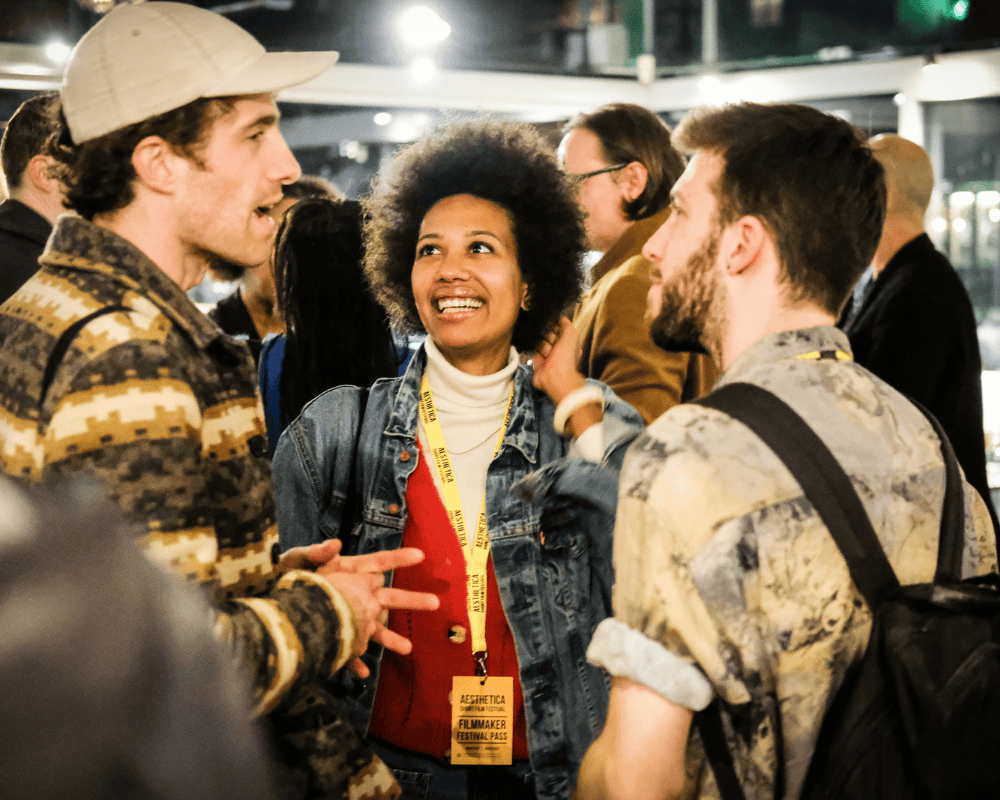
That sense of connection is reflected in the range of work that is presented to the audience. A film might begin with one person’s experience before opening out onto a much larger issue affecting society – or take us somewhere geographically distant and reveal something that is unexpectedly familiar. Federico’s selections often confront subjects that define our times, from social justice and inequality to displacement, identity and belonging, while leaving space for filmmakers to experiment with form, structure and image. Documentary can sit beside fiction; animation alongside live-action; a quiet personal portrait beside a work that asks much bigger questions about society. The programme becomes a journey through different ways of seeing. It is an invitation to consider what they might have in common.
Some of those journeys are not easy. Nor should they necessarily be. There are films that ask audiences to sit with discomfort, to encounter experiences that resist easy answers or to look at realities that are more convenient to ignore. In a culture increasingly shaped by instant access and carefully personalised viewing, there is value in being taken somewhere we did not choose ourselves. A festival can interrupt our habits – asking us to stay with a story, a perspective or an image that challenges us rather than allowing us to move on. “A film festival is a place where audiences will discover something they didn’t know they were looking for,” Federico says. “It’s about opening up possibilities and giving people the opportunity to encounter stories and forms that might not otherwise reach them.”
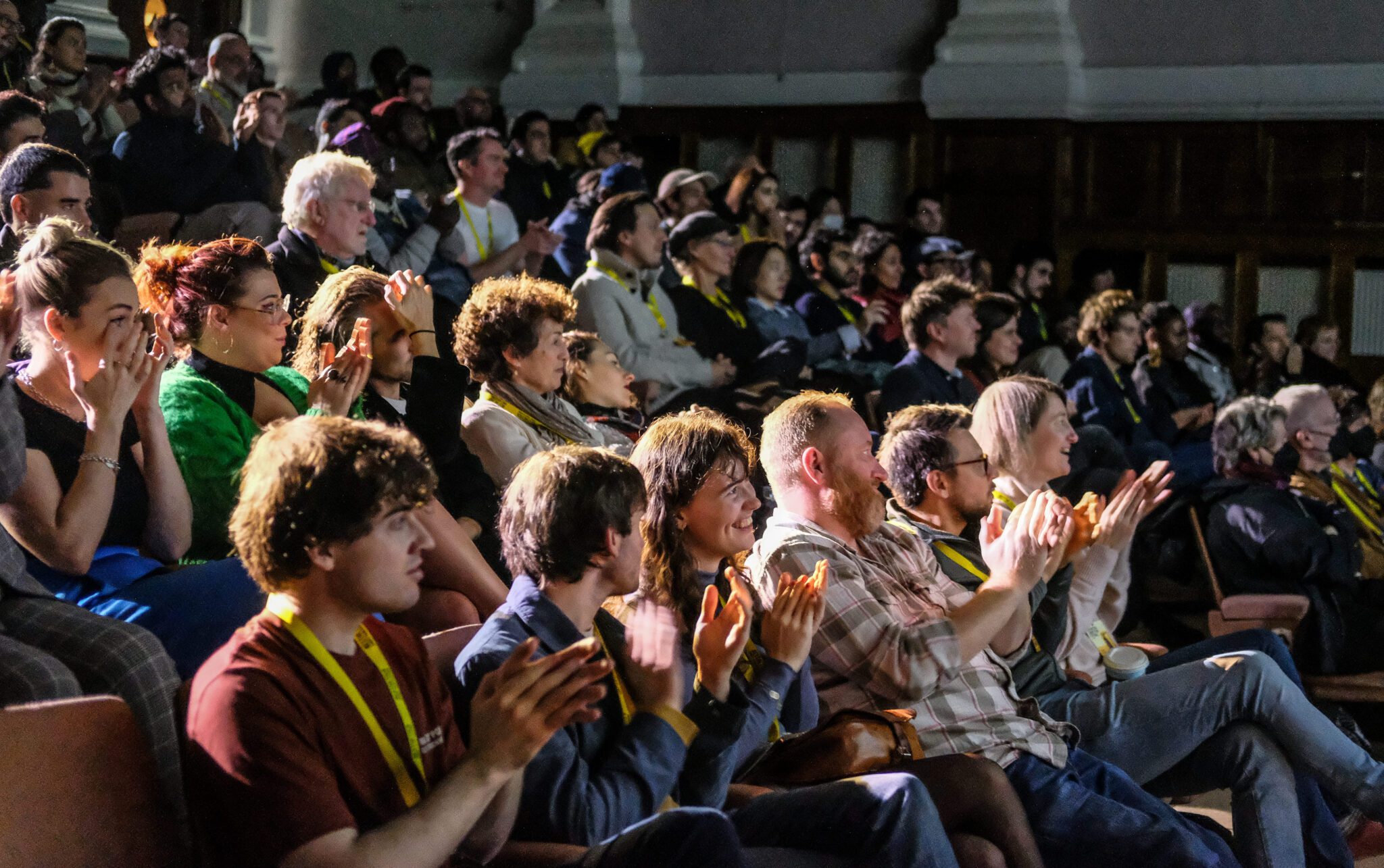
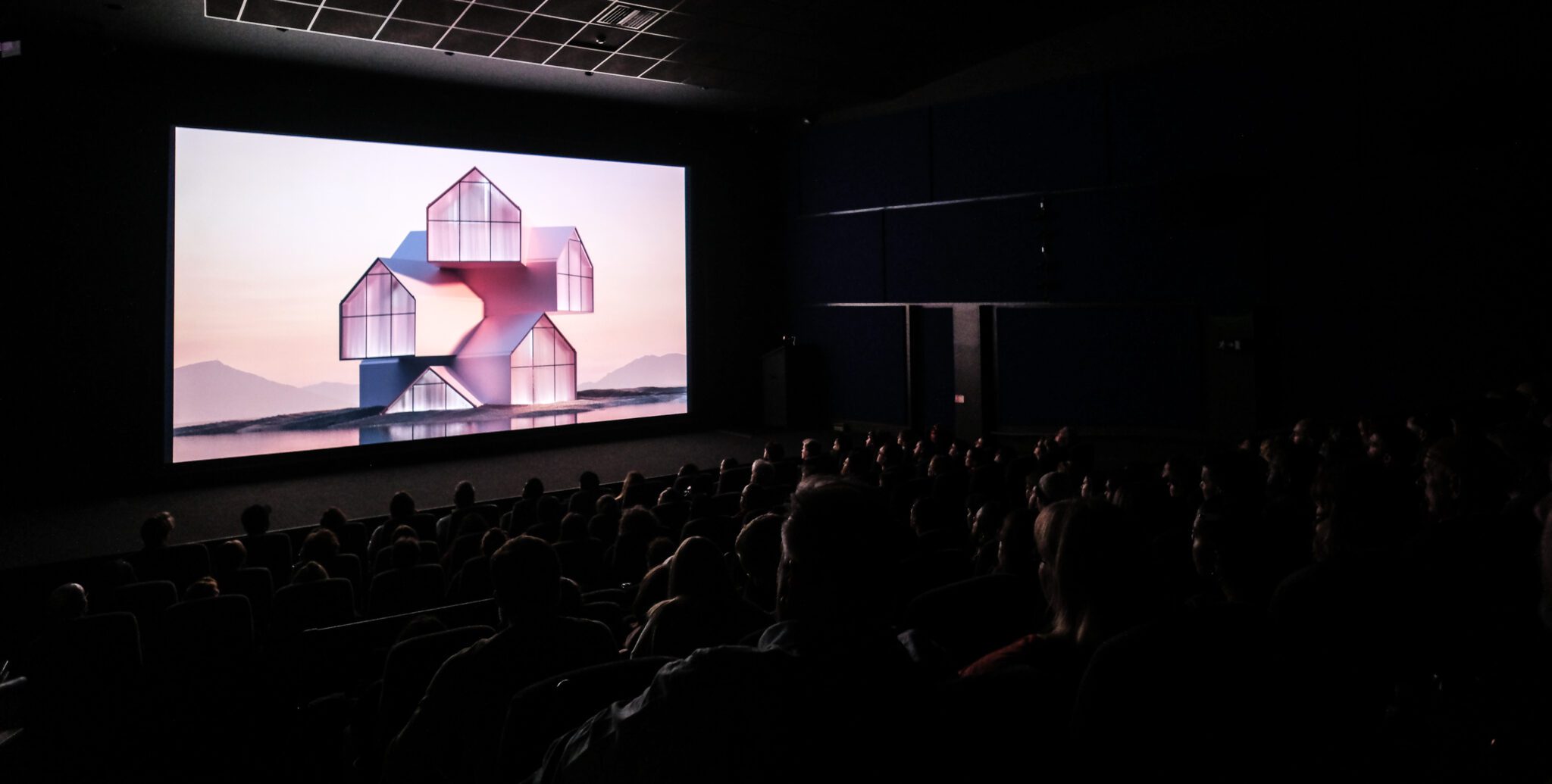
One of the reasons film festivals remain so significant is that they offer something that the act of streaming cannot reproduce. A collective experience of watching, thinking and responding. A film becomes part of a temporary community, its meaning shaped not only by what happens on screen but by the discourse afterwards, the filmmaker met in the foyer, or a conversation with someone whose perspective changes your own. Festivals give independent and filmmakers a context where their work can be seen, but they also give audiences permission to be curious. A space in which discovery is not accidental by-product of scrolling – it is the reason for being there.
York makes that exchange particularly tangible. Over the course of five days, the city becomes a landscape of cinema, with conversations moving between venues and audiences crossing paths throughout the day. Its historic streets provide a striking counterpoint to work that is often concerned with the future – new technologies, new forms of storytelling, changing identities and urgent social questions. There is a pleasing tension in that relationship between old and new, local and international, familiar and unexpected. “York gives us an incredible backdrop because the festival can be international in its reach while still feeling personal ,” Federico explains.
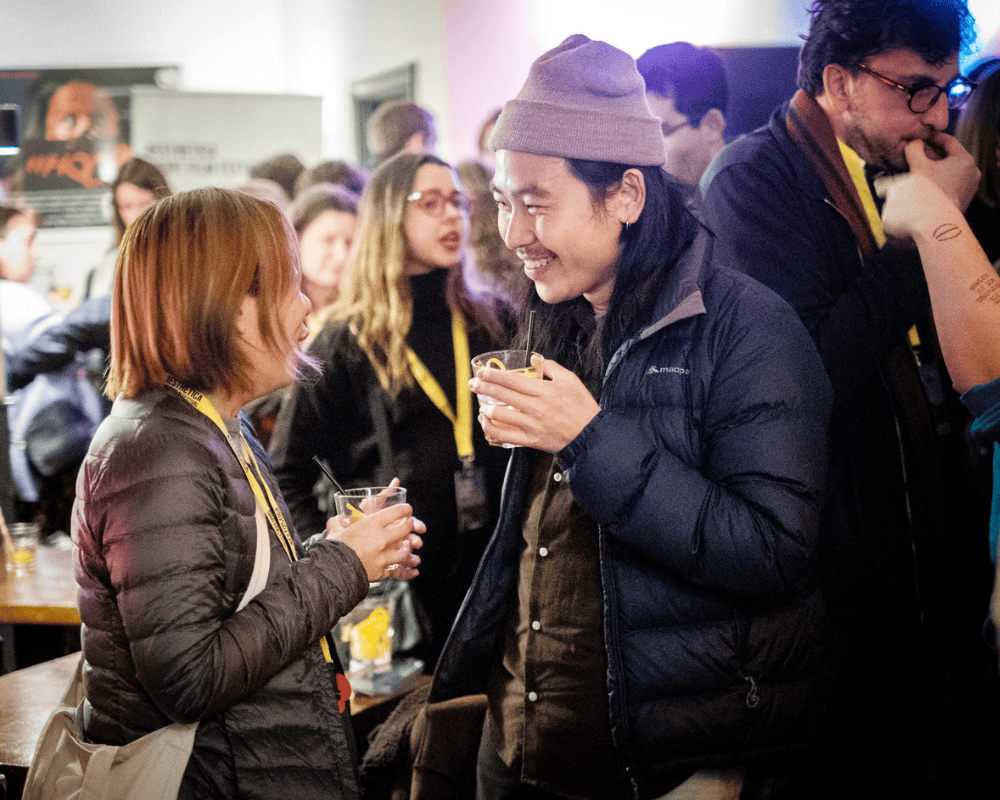
And perhaps that is what makes the festival’s sense of place so important. The international scale is present. Last year’s audiences arriving from more than 60 countries is truly a testament, but it does not overwhelm the human experience of being there. York is a beautifully human sized city – you can get from one place to the next in 15 minutes. Instead, people gather around films and ideas, and the city acts as a shared meeting ground. A filmmaker from one part of the world can find an audience from another part; a student has the possibility to discover a new artistic language; a conversation begun after a screening can continue over a simple coffee the next morning. The festival creates these wonderfully opportune conditions for those encounters, allowing ideas to travel in ways that are difficult to predict.
By attending the opening night, that possibility is already in the room. It is the moment before the festival expands across York – before five days of screenings, talks, exhibitions and conversations begin to unfold. There is an anticipation that comes from knowing that the programme has been carefully assembled, but also from not knowing exactly where it will take you. “The most exciting thing is seeing what happens when an audience takes ownership of a film, and when a story leaves the screen and becomes part of a conversation,” says Federico. From screen to audience and from audience into wider conversation, that is what gives the festival its character.
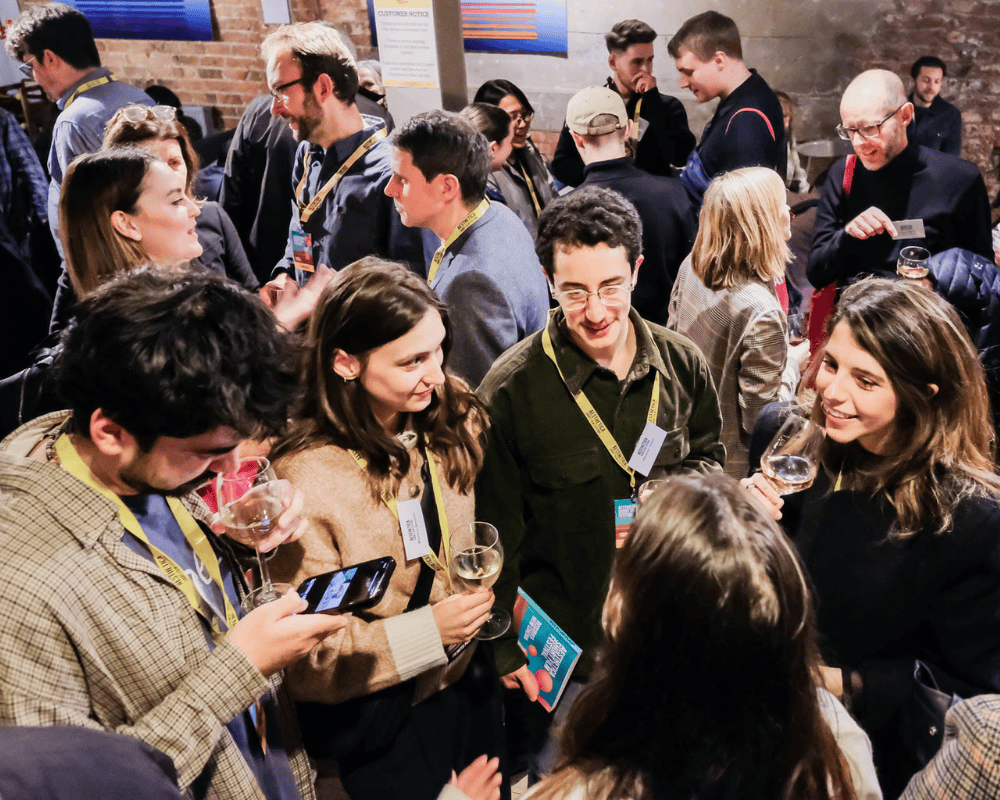
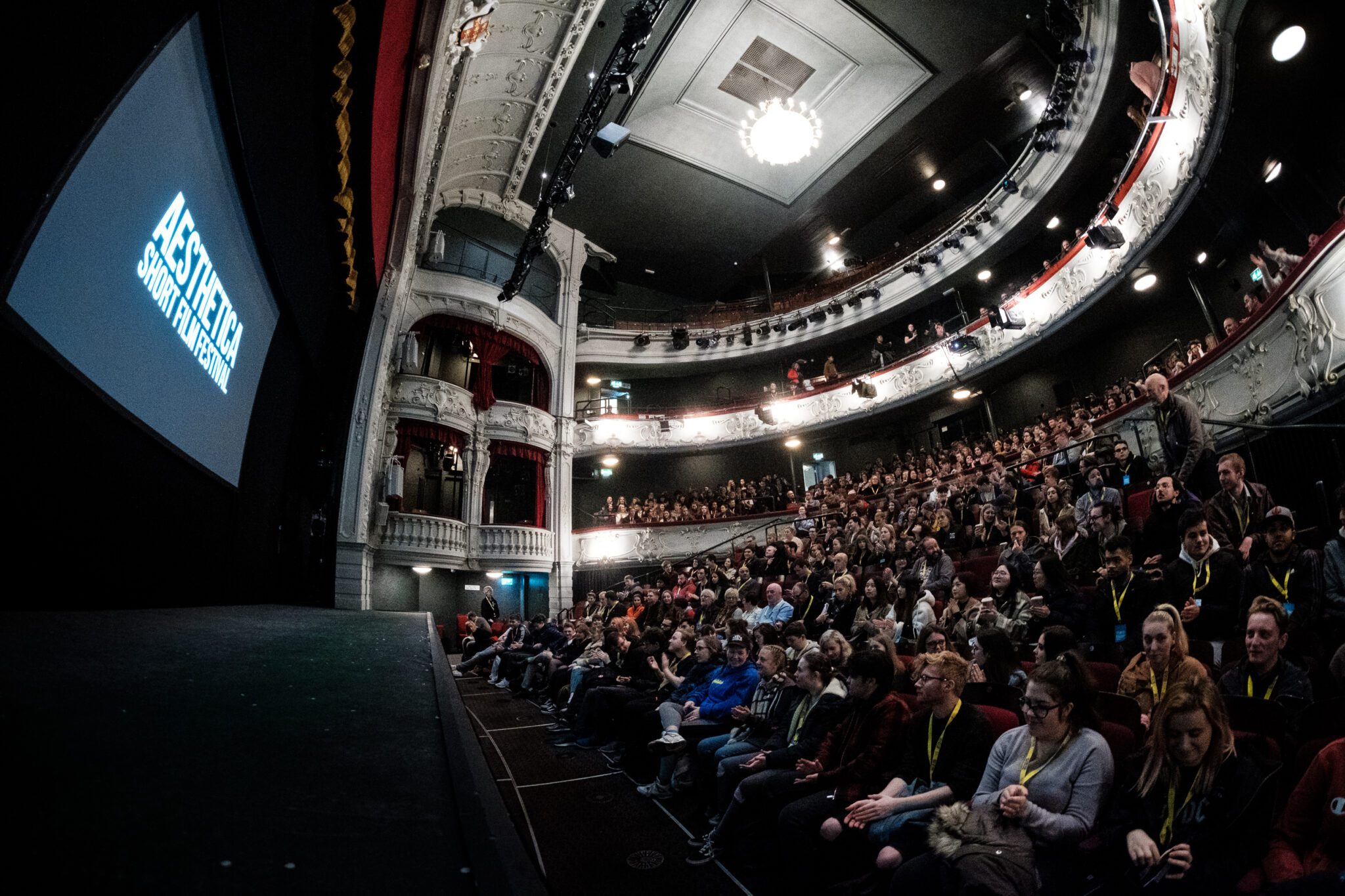
Why begin with opening night? Because it offers a concentrated experience of everything that makes Aesthetica Film Festival distinctive – the ideas, international perspective and the pleasure of discovering something together. There are only 200 seats, making this an intentionally intimate beginning to the festival, and those there will receive a welcome drink and goody bag, meet Festival Director Cherie Federico and experience a film programme shown only once during the entire festival. It is a chance to be there at the beginning, as the programme opens up and York starts its five-day conversation with the world. This is the place to be – opening night.
Book your tickets: www.asff.co.uk/tickets
Words: Shirley Stevenson