In Conversation with New Music Stage Juror Rachel Croft

Rachel Croft is an internationally recognised musician and multidisciplinary artist, known for her powerful vocals, cinematic songwriting and electrifying stage presence. Her works have been featured on Netflix, BBC Two and have premiered on major global outlets including CMT. A champion of independent artists, Rachel dedicates much of her time guiding others wishing to work in music, leading with a collaborative approach both on and off stage. Last year, she was part of the inaugural New Music Stage jury, a bold competition showcasing 10 breakthrough acts at York Theatre Royal. We caught up with the musician to discuss her latest music video, why she’s so passionate about bringing together all forms of creative work and what she’s looking forward to Aesthetica Film Festival 2026.
A: Tell us about yourself. How did you first start working in the creative industries?
RC: I’m a full-time alt-rock musician, illustrator, and animator from Nottingham. I’ve been an independent creative for 12 years, starting as a busker in York after studying Climate Change. My work has taken me worldwide, from filming on El Salvador’s volcanoes to touring Europe, and my music has featured on Netflix, the BBC, and in UK retail playlists. Growing up, I never imagined this path was possible, so I also try to help others from ordinary backgrounds see creative careers as accessible.
A: How did this project first come about?
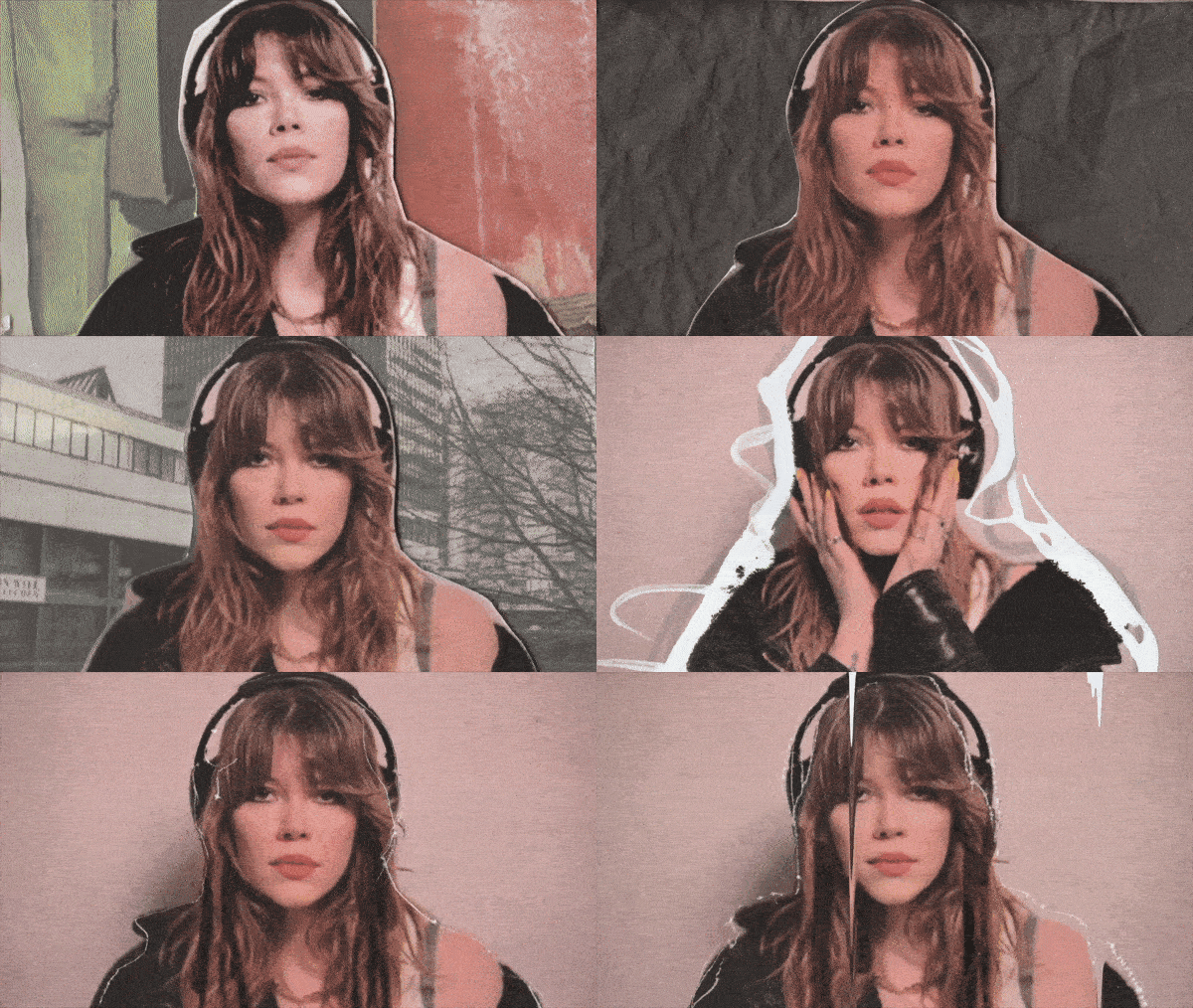
RC: I believe in making things happen with whatever I have, I’m definitely a bootstrapper. Without big budgets or teams, I rely on time and thought. After discovering mixed media animation online, I was immediately sold; it wasn’t if I could do it, but how. Despite people warning me how time-consuming and fiddly it is, I felt smaller artists deserve to create exciting work too. With the help of my talented and patient friend, photographer Michelle Fredericks, I knew we could bring my ideas to life.
A: The animation took four months to make. Talk us through the process.
RC: We filmed pretty spontaneous footage, then I edited a rough sequence and printed around 400 pages of little frames. Each was then painstakingly transformed by hand. They were painted, collaged, cut, layered, and combined with other printed video to turn ordinary scenes into something surreal and personal, inspired by dreams and places from my past. The images were scanned and reassembled into a 3500 frame animation with no repeats or digital filters. I love its imperfect, handmade quality, it’s timeless and nostalgic. Despite taking a month a minute, the process was completely worth it.
A: How do you see music working in harmony with other art forms like cinema and art?
RC: I enjoy the playfulness of interweaving one outlet of creativity with another. They are sisters after all. They’re just different mediums to understand the world and tell stories. Bittersweet is about the impossibility of visiting time so I thought – how about I time travel in this visual? And I love how surreal you can make things look because they’re so obviously fake that it becomes limitless. But I also love how a song of mine can do the reverse and elevate a scene in a film. They’re inextricable.
A: You’ve described this project as a “rebellion against over optimisation of our time and the wave of AI.” Tell us more about this idea.
RC: Quicker and easier doesn’t mean better. Value surely comes from effort, skill and the soul behind something. The fresh respect we feel when discovering what it took to bring that thing into the world. There’s a reason why behind the scenes content is so fascinating. Aren’t we fatigued by not trusting what we see online? Or annoyed when the trick is revealed and it was fake, empty? AI is an incredibly efficient tool for some things, but I feel, like many creators, that it has no place in artistry, particularly as it’s mass plagiarism and robbery of the graft of real people. Why should it feel such an indulgence to spend time on something, to take the hard road, innovate, pour meaning into it? I think as time goes on we’ll crave real things more and more. This is just one step towards honouring what makes life beautiful.
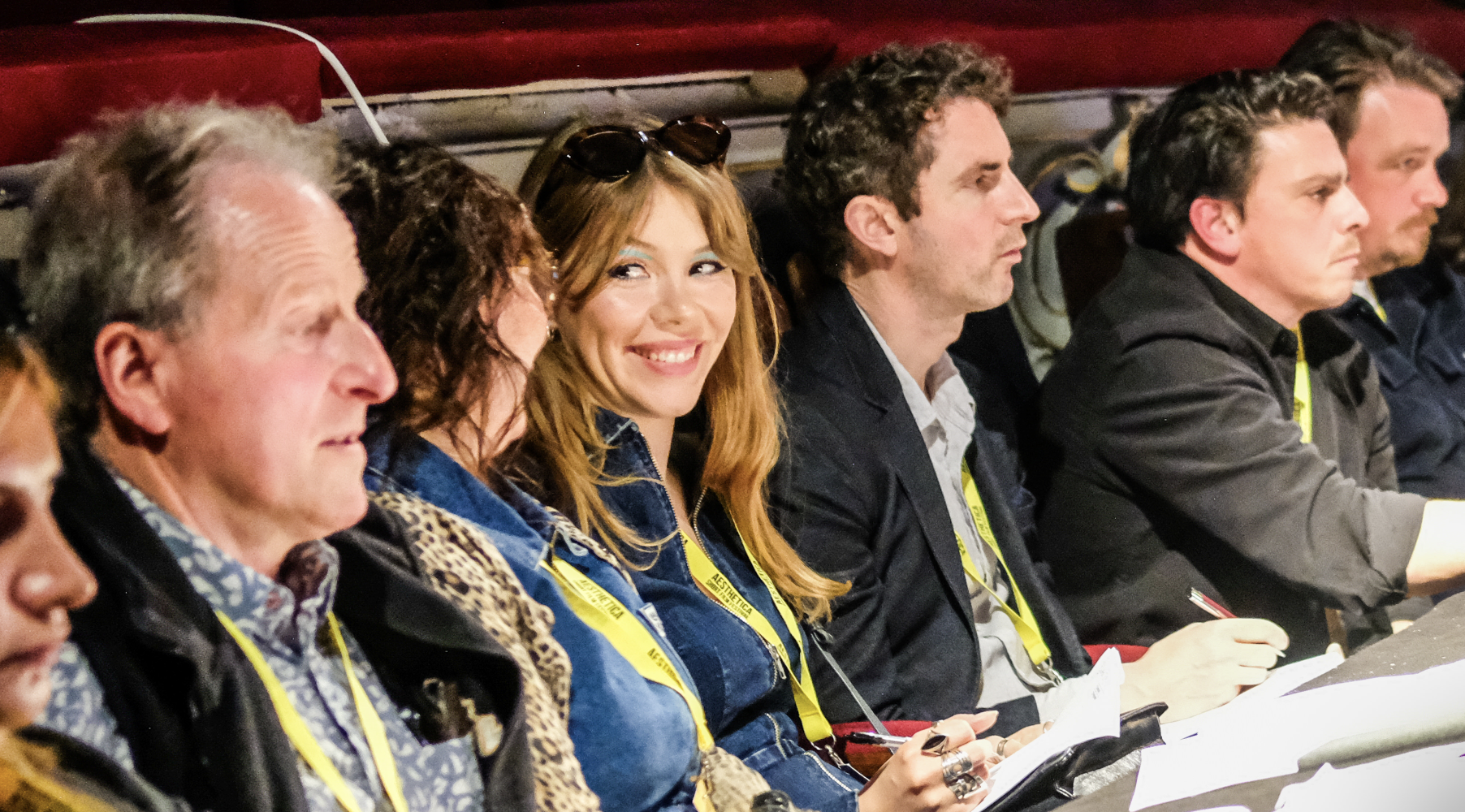
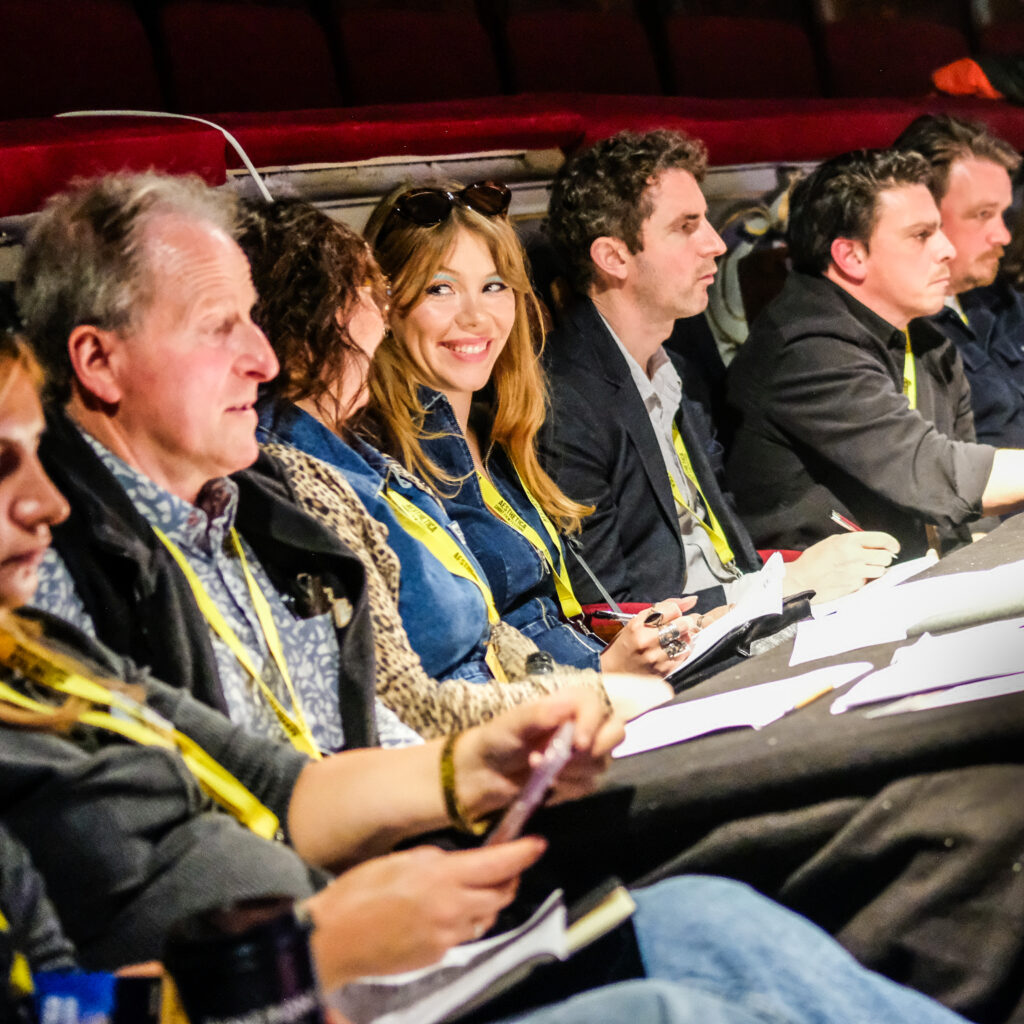
A: You were on the jury for the New Music Stage at Aesthetica Film Festival 2025. What was that experience like?
RC: It was an honour to have been asked and to represent independent artists on the panel. There were some incredible acts, a few of whom I’ve kept in contact with since, and also a wonderful blend of music industry professionals on the panel to share insights with and learn from. A wonderful weekend full of amazing creativity.
A: What are you looking forward to about Aesthetica Film Festival 2026?
RC: I’m excited to meet and hear the performances of our next artists, there was a fantastic range last year. It’ll be great to see old faces again and I’m very much looking forward to attending talks on anything music related such as sync – and being inspired by the incredible films on show during the event!
A: What’s next for you in your career? Anything we can look forward to?
RC: We are planning the London premiere of my documentary and music video with LYSN, El Salvador at the moment. I’m also working on a new avenue of music, which I’m keeping under wraps for the time being but I am very excited. I’ll also be back on tour in the Netherlands, Germany and Switzerland plus I’m working on expanding my reach and heading to New Zealand in 2027. More animations, new artwork designs. So yeah, pretty quiet…
Words: Emma Jacob & Rachel Croft
Book a Music at Aesthetica Passto access all the Saturday music events, taking place at York Theatre Royal.