Radical Listening: Reimagining Cinema, Sound and the City at Aesthetica Film Festival 2026

We live in a culture of constant sound: voices, music, news and competing streams of information vie for our attention. Here, listening can become a radical act – an invite to slow down, pay attention and make space for other perspectives. This is the thinking behind Radical Listening, the theme of this year’s Listening Pitch, which asks artists to explore listening not simply as a subject, but as a creative method for reshaping how stories are experienced. It is an idea that extends beyond the individual projects to become part of the wider Aesthetica Film Festival programme, where screen arts, games, podcasts, immersive media and public art exist together.
The Listening Pitch, a partnership between Aesthetica and Audible, has developed into an established commissioning platform for ambitious, sound-led documentary. Now in its sixth year, the initiative supports artists in exploring how audio can transform the moving image, whether through voice, music, field recordings, oral histories or the sounds of the natural world. This year, three documentaries have been selected through the Listening Pitch 2026: Radical Listening commission: Nibclout Neebors, directed by Duncan Cowles; Cissé-Ceesay, directed by Sofia Cissé Akel and produced by Tobi Kyeremateng; and Worm Charming, directed by Hermione Spriggs. Each a distinct listening perspective, revealing how sound can become an investigation of memory, identity, heritage, language and our relationship with the wider world
In Nibclout Neebors, Duncan Cowles begins with a 1964 cassette recording of his great-grandfather reading a Scots poem about a village shop in the Scottish Borders. The recording becomes a point of departure for a film about dialect, family history and the ways in which meaning shifts between generations. Cissé-Ceesay, meanwhile, follows Sofia Cissé Akel as she travels to Casamance in southern Senegal, reconnecting with family history through the Griot tradition of storytelling, in which knowledge and cultural memory are carried through voice, music and performance. Hermione Spriggs’ Worm Charming takes listening beyond us, exploring the vibrations used to draw earthworms to the surface and considering what happens when we attempt to understand forms of communication that exist outside our own sensory world. The projects embody the premise of Radical Listening: paying closer attention reveals stories, connections and perspectives that might otherwise remain unheard.
“Radical Listening is about creating space for artists to ask us to pay attention in different ways,” says Cherie Federico the Director of Aesthetica Film Festival. “We are constantly surrounded by information and competing voices, so listening can become a genuinely radical act – it encourages us to slow down and consider perspectives different to our own, stories and experiences that we might otherwise overlook unless prompted.” It is a philosophy that has informed the Listening Pitch from its inception, giving artists the freedom to approach sound in ways that resist conventional documentary form. Rather than simply illustrating an image, sound can become the structure through which an audience encounters a story, shifting perspective and creating new relationships between what is heard and what is seen.
The three new documentaries also form part of Aesthetica Film Festival’s 13th film commission, extending a long-standing commitment to supporting original filmmaking and giving artists the opportunity to develop work with a life beyond the festival premiere. The ambition is not simply to commission a film, screen it and continue forward, but to provide a platform from which new work can develop a life of its own and eventually live beyond us. Previous Listening Pitch commissions have demonstrated the possibilities of this model, travelling to international festivals, receiving awards and critical recognition, and finding audiences through prominent platforms. Projects have screened at South by Southwest and Sundance, while films have been acquired by The Guardian, received recognition at festivals around the world and, in the case of work emerging from Aesthetica’s commissioning and exhibition ecosystem, entered consideration for an Academy Award.
One of the most striking examples is Birdsong, by Sparsh Ahuja and Omi Gupta, which is an exploration of the endangered whistled language of the Hmong people of northern Laos. Following its journey through Aesthetica, the film screened internationally, including at South by Southwest and Sundance London, and received recognition at festivals including Palm Springs ShortFest. Other Listening Pitch commissions, including The Things We Don’t Say and Old Lesbians, have gone on to Guardian Documentaries, reinforcing the notion that a festival commission can be the beginning of a much longer creative journey. This year’s three films is a continuation of that tradition while opening up new questions about what documentary can sound like, and how listening itself can become a method of filmmaking.
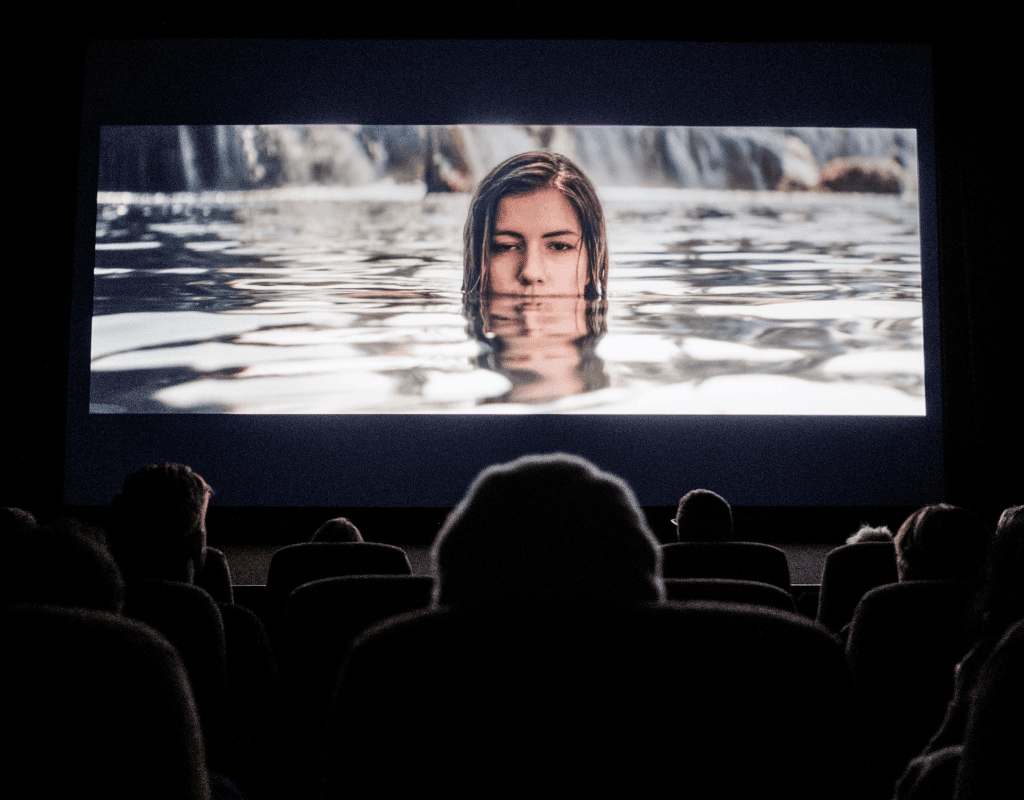
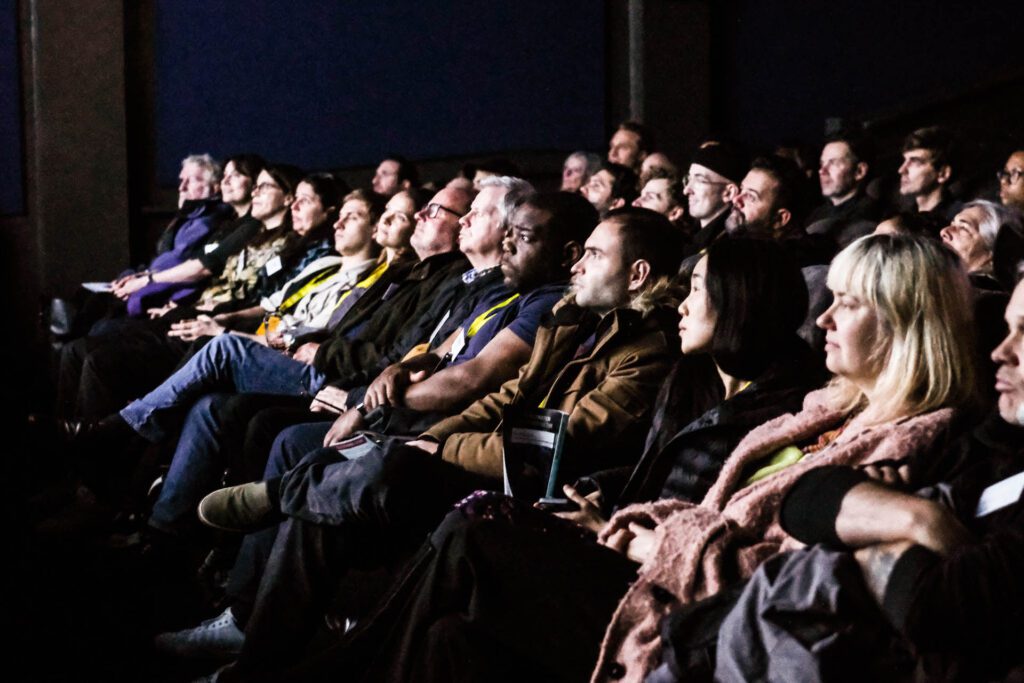
Radical Listening then turns its attention to the history of cinema. Silent cinema was never truly silent: early screenings were often accompanied by live musicians, improvisation, narration, sound effects and the responses of audiences, making each screening a communal and evolving experience. As part of the programme, contemporary composers and sound artists have created new scores for selected films made before 1925, returning to this tradition while exploring how sound can transform the way historic moving images are perceived. “We wanted to return to the origins of cinema and challenge the idea that silent film was ever truly silent,” says Federico. “Those early screenings were dynamic, communal experiences, with live musicians, improvisation and audiences all contributing to what happened in the room.”
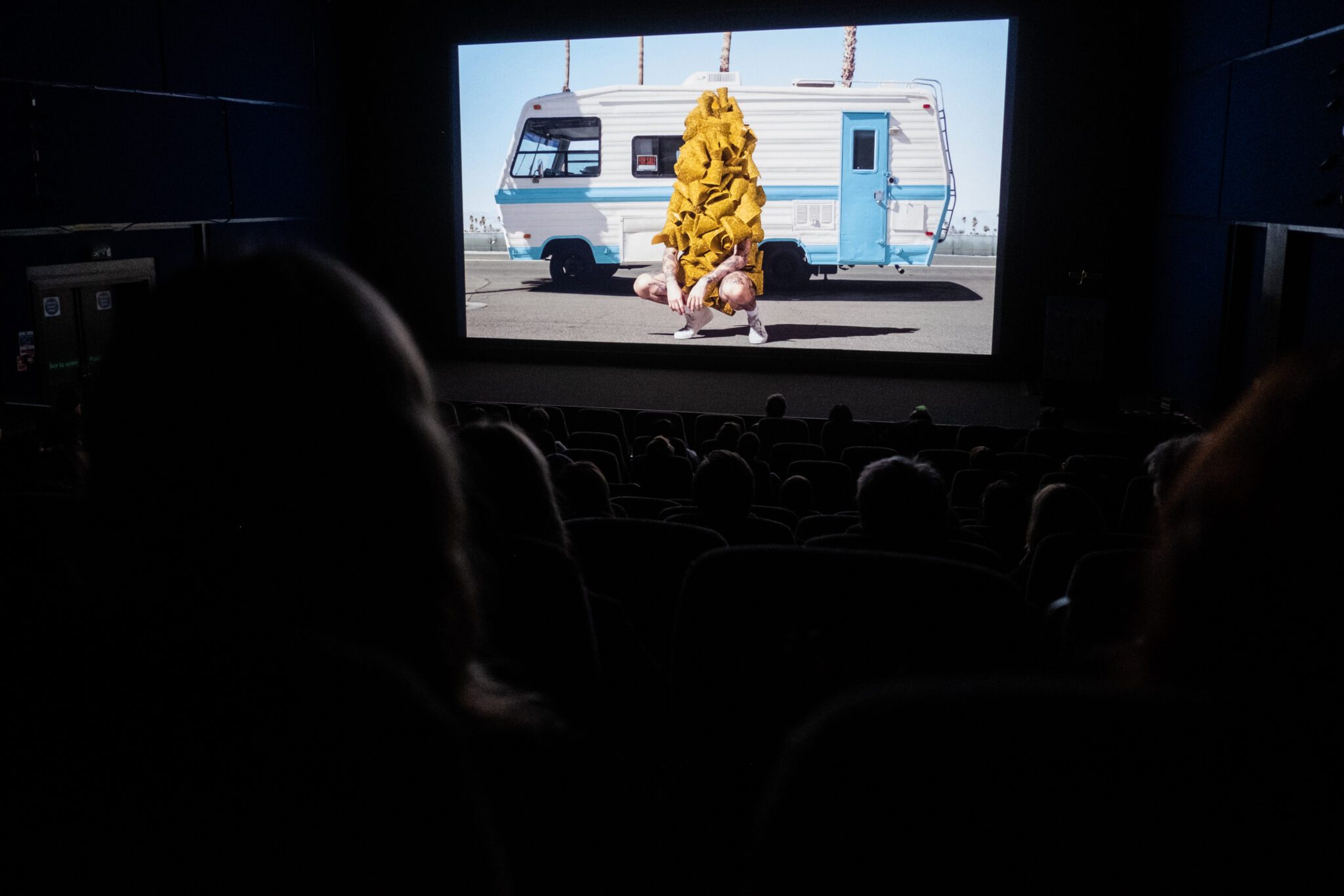
The resulting works will premiere at Aesthetica Film Festival as part of a programme of newly scored silent films, with some performed live. Bringing together six films and six compositions, the programme spans original music, experimental sound, field recordings, voice and interdisciplinary approaches, creating new relationships between image and sound. Rhythmus 21, scored by Bowen Wu; Symphonie Diagonale, scored by Théo DG; Opus I II III I, reimagined by Amelie Lingard; Anémic cinéma, scored by Chloe Simmons; The Great Train Robbery, with a new composition by Aidan Steele; and Ballet Ballet Mécanique, newly scored by Fintan O’Hare. Together, they bring cinema’s past into dialogue with contemporary sonic practice, demonstrating how listening opens new emotional and sensory possibilities within archival film.
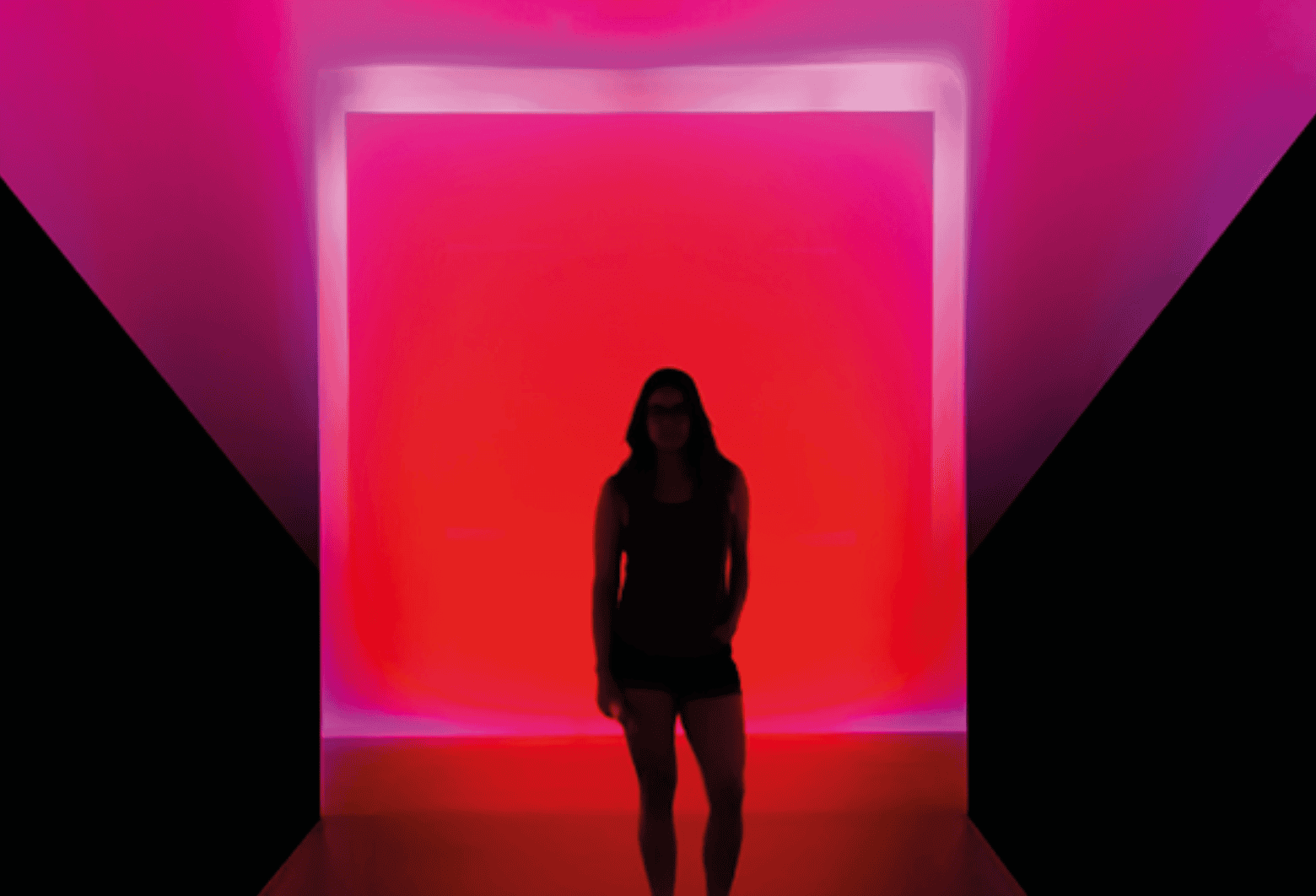
The idea of Radical Listening does not stop when audiences leave the cinema. It extends into the streets of York through the Radical Listening Media Arts Trail, connecting the festival with the city in which it takes place. York is the UK’s first and only UNESCO City of Media Arts, providing a natural setting for a programme that explores the intersection of creativity, technology, sound and place. The trail brings contemporary media art into public space, encouraging audiences to encounter installations as part of their everyday movement. Instead of asking people to enter a gallery or purchase a ticket, the works become part of the urban environment.
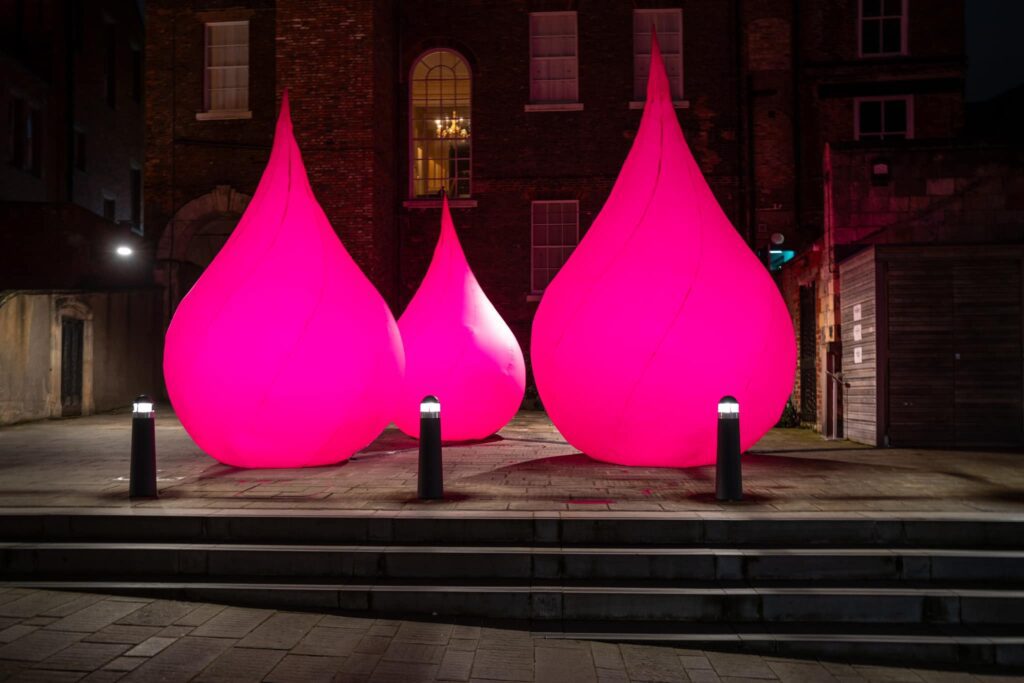
Amongst the artists involved is Steve Messam, whose site-responsive installations transform architectural and natural environments through temporary interventions. His work encourages audiences to reconsider familiar places, often introducing unexpected forms and structures that alter our perception of the landscape. There is a playful quality to the practice, but also a sensitivity to place: the work responds to its surroundings rather than simply being placed within them. For a festival interested in changing how audiences see and hear their environment, Messam’s approach provides a natural extension of the Radical Listening philosophy.
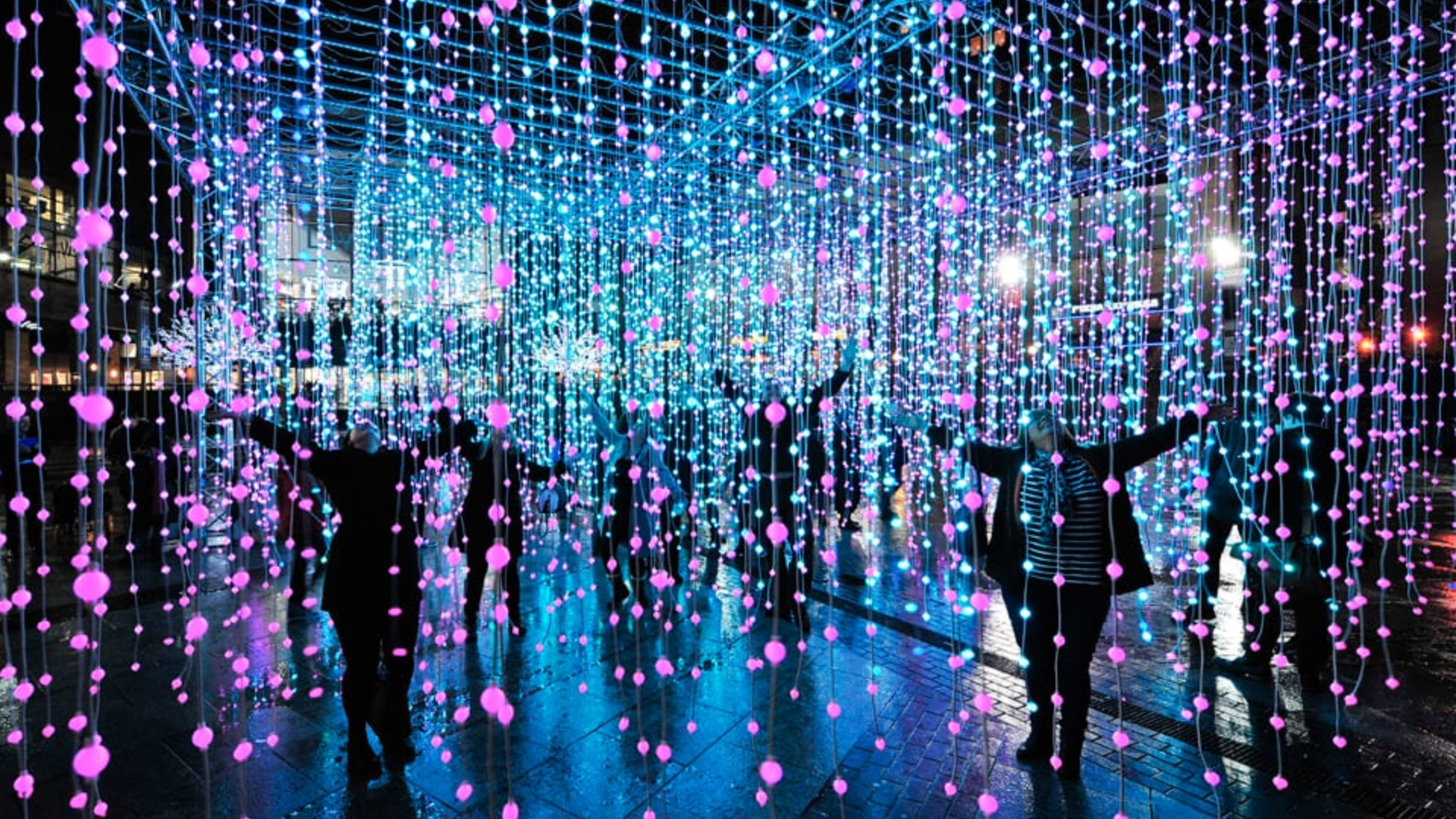
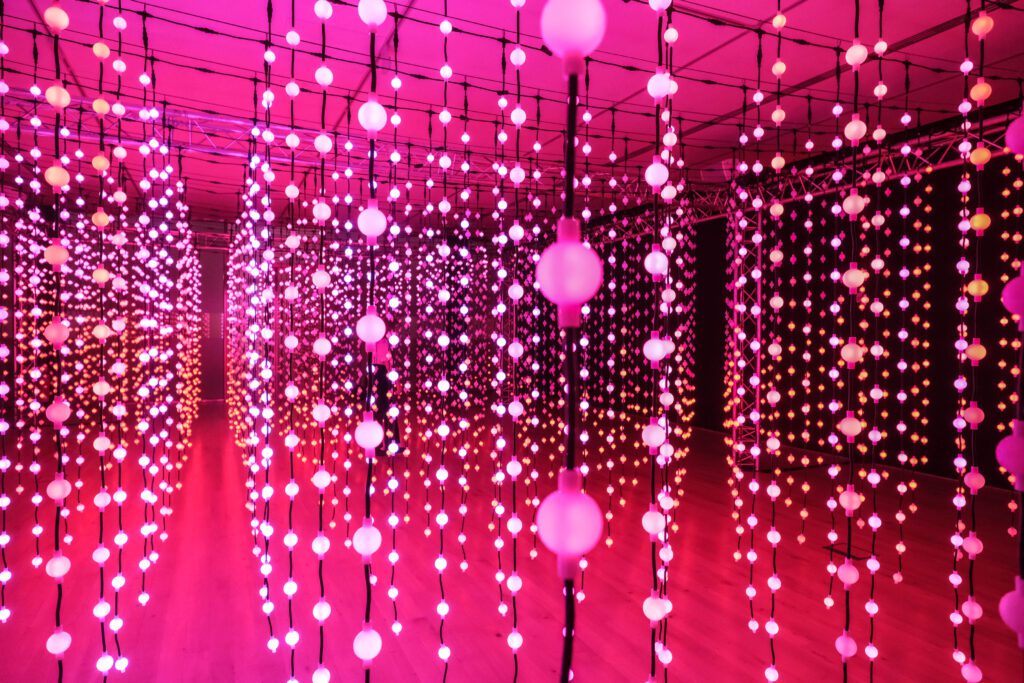
Squidsoup brings another dimension through immersive installations that are combination of light, sound and interactive technology. The collective’s work often places the audience at the centre of the experience, responding to movement and presence so that the installation becomes something that is not simply viewed but can be physically inhabited. Their large-scale works, including Submergence, have been experienced internationally, demonstrating how digital art can create shared environments that are simultaneously technologically complex and emotionally immediate. In the context of the Media Arts Trail, this offers another way of understanding listening – not simply as something we do with our ears, but as an embodied act involving movement, space and perception.
Being Nowhere adds further questions around place, presence and our relationship with the environments we occupy. Together, the projects demonstrate the range of contemporary media arts and the ways in which artists can use technology to make us look differently at the world around us. Importantly, the trail is designed for everyone to enjoy. It does not require specialist knowledge or previous engagement with contemporary art; audiences can simply encounter the work while walking through York, spending time with friends or exploring the city. A family, a visitor or a resident can each experience the installations in their own way.
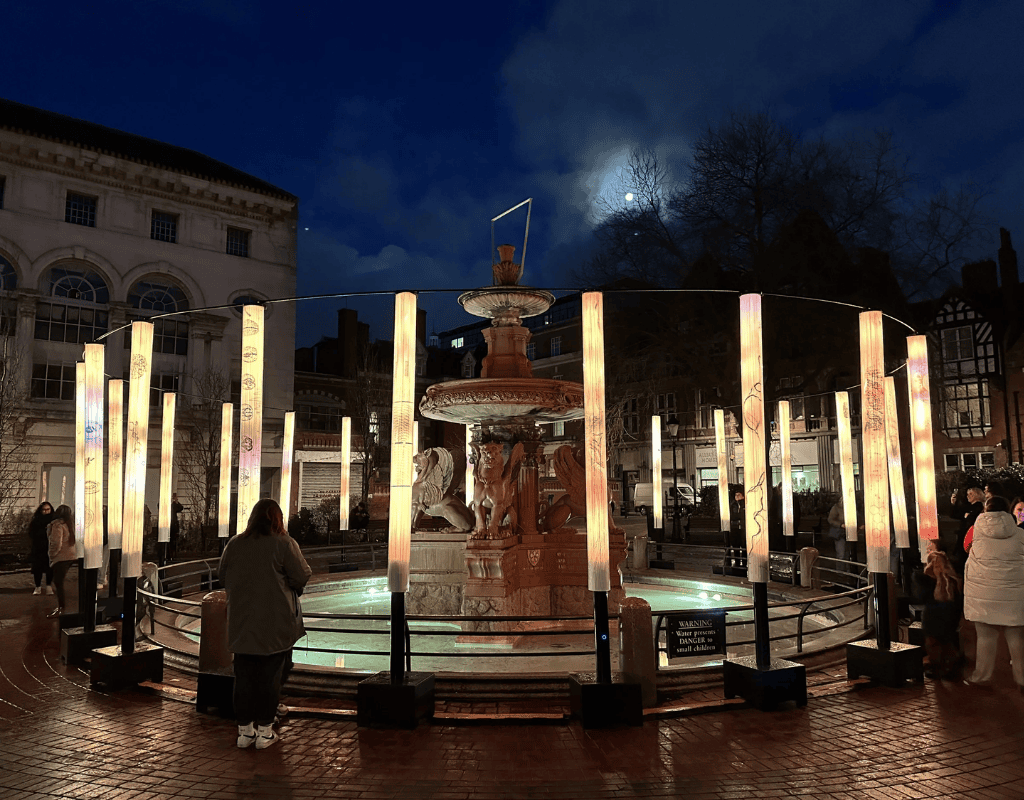
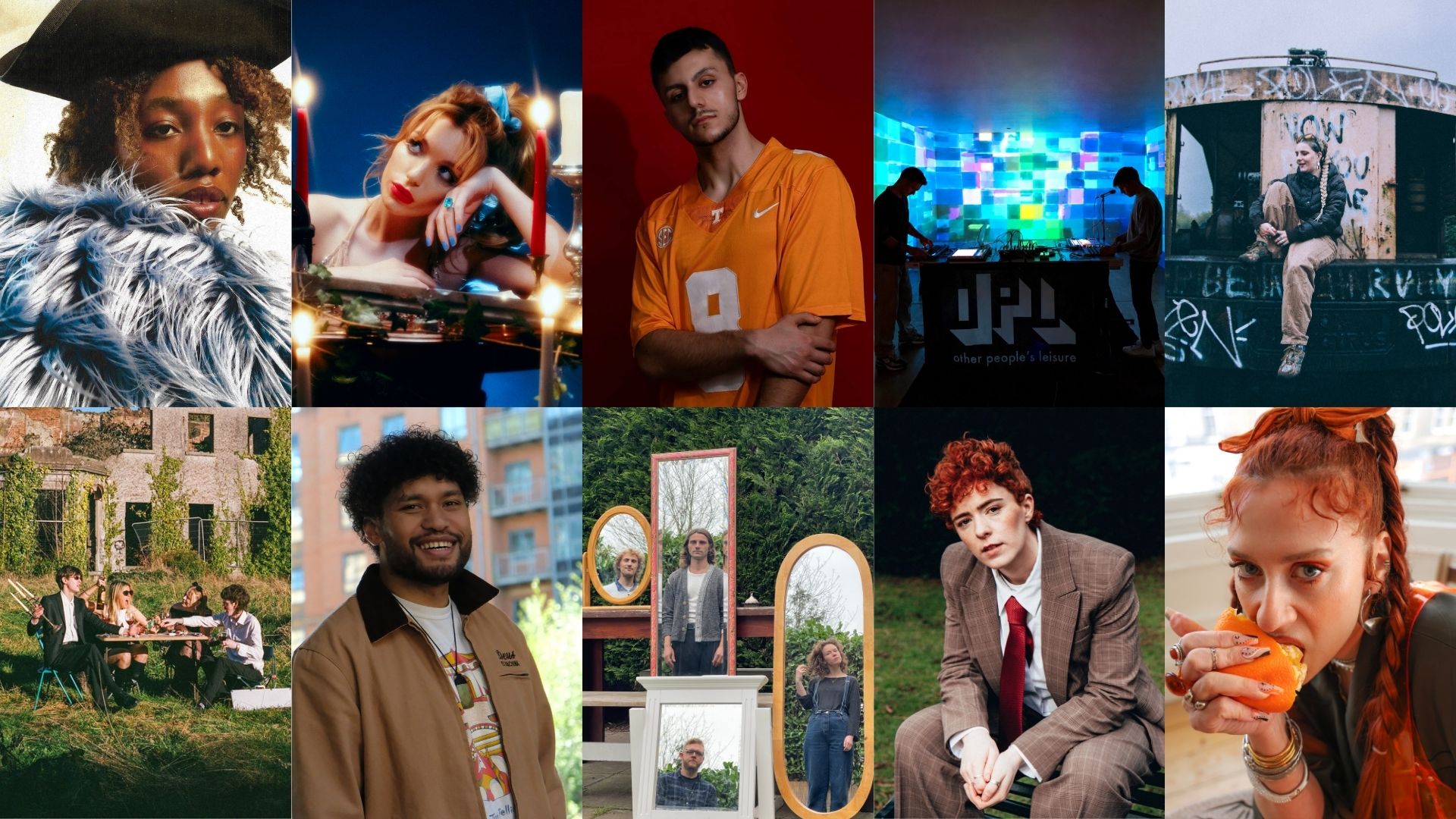
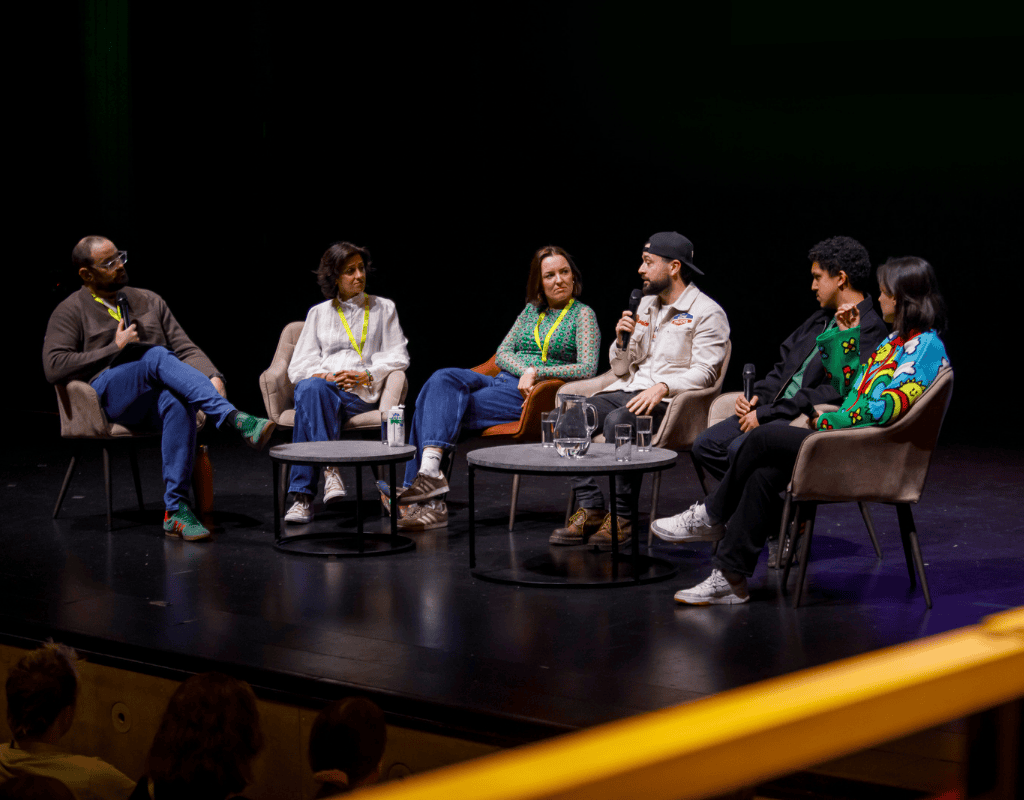
This sense of openness is central to the wider Aesthetica Film Festival programme. There is not another film festival in the UK offering such a diverse and varied programme alongside a BAFTA-Qualifying Film Festival. The New Music Stage brings live music and performance into the festival, creating an environment for artists working at the intersection of sound and contemporary culture; the VR & Games Lab explores immersive storytelling, interactive experiences and the rapidly evolving relationship between games and cinema; whilst the Podcasting Lounge recognises the continuing transformation and growth of audio storytelling. Alongside these sits the Radical Listening Immersive Media Arts Trail, which is extending the festival into public space and making York, the city itself part of the experience.
These strands are a reflection of the way audiences experience culture today. Film, music, games, podcasts, sound and visual art no longer exist in neatly separated categories, and artists are increasingly moving between disciplines to find new ways of telling stories. Aesthetica Film Festival creates an environment in which these practices can intersect, placing emerging and established filmmakers alongside composers, musicians, game designers, podcasters and media artists. The result is a festival that celebrates cinema while also considering what the medium can become when it encounters other forms. Radical Listening is a particularly strong expression of that approach because it moves effortlessly between documentary, archival film, composition, public art and the sensory experience of the city.

The Radical Listening programme asks audiences to reconsider something fundamental and easily overlooked: the act of paying attention. A voice on a cassette can open a door into family history; a centuries-old storytelling tradition can carry knowledge across generations; vibrations beneath the earth can reveal an unfamiliar form of communication; and a film made more than 100 years ago can be transformed through contemporary score. Light, sound and technology can alter the way we experience a familiar street or public space. Across these encounters, listening becomes a way of looking again and the festival offers audiences the opportunity to do exactly that.
Aesthetica Film Festival 2026 runs 4-8 November in York, UK. Click here to book your festival pass.
Words: Anna Muller