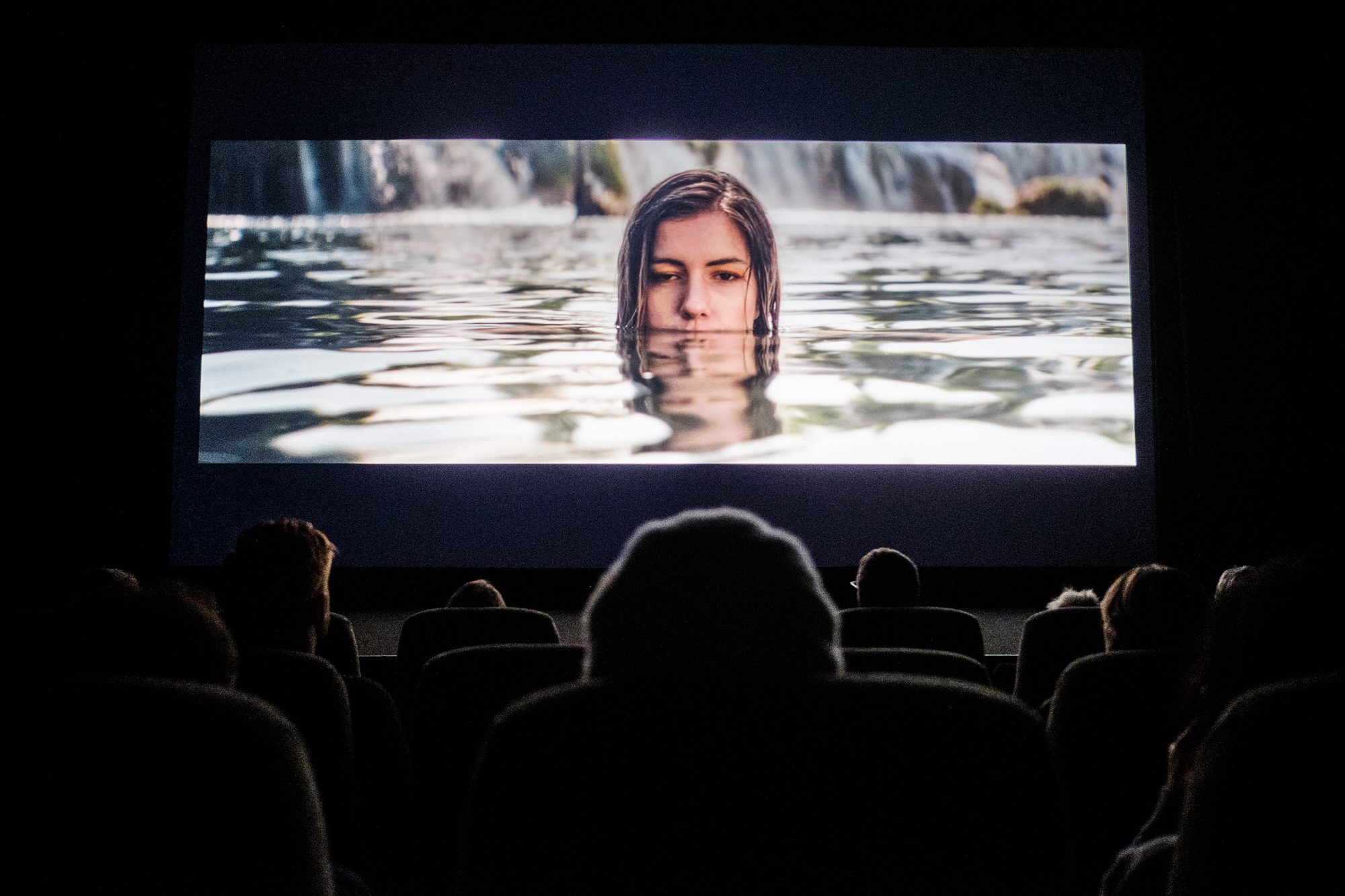

UNESCO City of Media Arts EXPO: The New Geography of British Creativity

Britain’s creative industries are a defining force in the UK economy, generating an estimated £145.8 billion in Gross Value Added in 2024 – equivalent to 5.5% of the national economy. The sector supported 2.4 million jobs, with employment 14.7% higher than in 2019, while creative industries GVA grew by 4.6% between 2023 and 2024, significantly ahead of the wider UK economy. Film and television, games, publishing, design, architecture, fashion, crafts, performing arts, museums, software and digital media now form an expansive network in which creative and technical skills increasingly intersect. This is an industry with substantial economic weight and cultural influence, as well as considerable potential for future growth. The question is how that momentum can be sustained, expanded and distributed across the country.
York offers a compelling setting in which to explore that question. As the UK’s only UNESCO City of Media Arts, the city has developed an ecosystem connecting digital culture, screen industries, games, theatre, publishing, technology and creative enterprise. The UNESCO City of Media Arts EXPO, taking place on 5–6 November at De Grey Rooms as part of the BAFTA-Qualifying Aesthetica Film Festival, brings this network into focus while connecting it with businesses, practitioners and institutions from across the UK. Its programme reflects the breadth of a sector increasingly shaped by collaboration between disciplines rather than by fixed categories. What emerges is a portrait of creativity as both cultural practice and economic infrastructure – one in which place, technology, talent and investment are closely connected.
Growth is central to this picture. Creative industries GVA has increased by 60.3% in real terms since 2010, while IT, software and computer services alone generated an estimated £62.4 billion in GVA in 2024, growing by 8.7% over the previous year. The figures point towards a rapidly evolving economy in which digital expertise, storytelling, design and technical production increasingly operate together. At the same time, the sector remains unusually diverse, encompassing highly technical fields alongside craft, performance, publishing and visual culture. Such breadth creates opportunities for people with very different forms of expertise.
Regional creative clusters are becoming particularly important within this expansion. Concentrations of creative businesses, workers, educational institutions and cultural organisations can generate the networks through which knowledge, talent and investment circulate, providing an alternative geography of opportunity across the UK. Government policy has increasingly identified these clusters as a mechanism for supporting economic growth beyond London, while the Creative Industries Sector Vision set an ambition to add £50 billion in GVA and support one million additional jobs by 2030. York’s UNESCO City of Media Arts EXPO can be read within this movement – not simply showcasing what exists within one city, but demonstrating how regional ecosystems can connect into national and international creative economies.
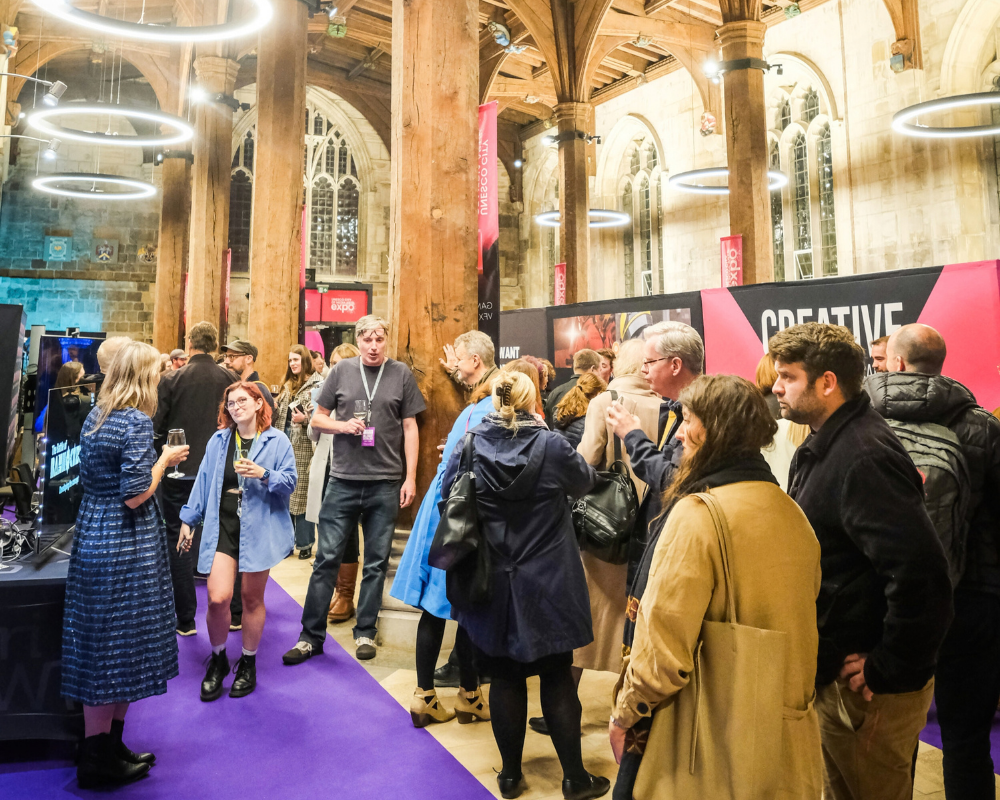
That connectivity shapes the EXPO’s curatorial approach. The programme brings together film, television, games, virtual production, VFX, theatre, publishing, interactive media and craft, creating encounters between practices often discussed independently. Production Park’s work in virtual production sits alongside Revolution Software’s decades of games development, while Viridian FX demonstrates the sophisticated visual-effects infrastructure operating behind contemporary screen culture. Pilot Theatre extends the conversation into XR and immersive performance, while Pollen Studio moves between audio, film, image and interactive software. Rather than presenting these as isolated stories, the EXPO places them in a shared ecosystem – one where different forms of expertise inform and amplify one another.
The UNESCO City of Media Arts EXPO’s Creative Business Workshop programme makes this infrastructure tangible. Presented by York Business School at York St John University, these free sessions address the practical systems that allow creative ideas to develop into sustainable enterprises, covering investment, intellectual property, pitching, international growth, collaboration, co-production and audience development. Giorgio Fazio of the Creative Industries Policy and Evidence Centre considers how value is created and captured across creative supply chains, while Emma Cooper of Innovate UK examines funding and investment readiness. Amanda Goddard explores intellectual property as a long-term asset, and Ameeta Virk and Adam Butterworth turn our attention to the opportunities and challenges of international growth. The programme positions business knowledge not as something external to creative practice, but as part of the conditions that enable it to thrive.
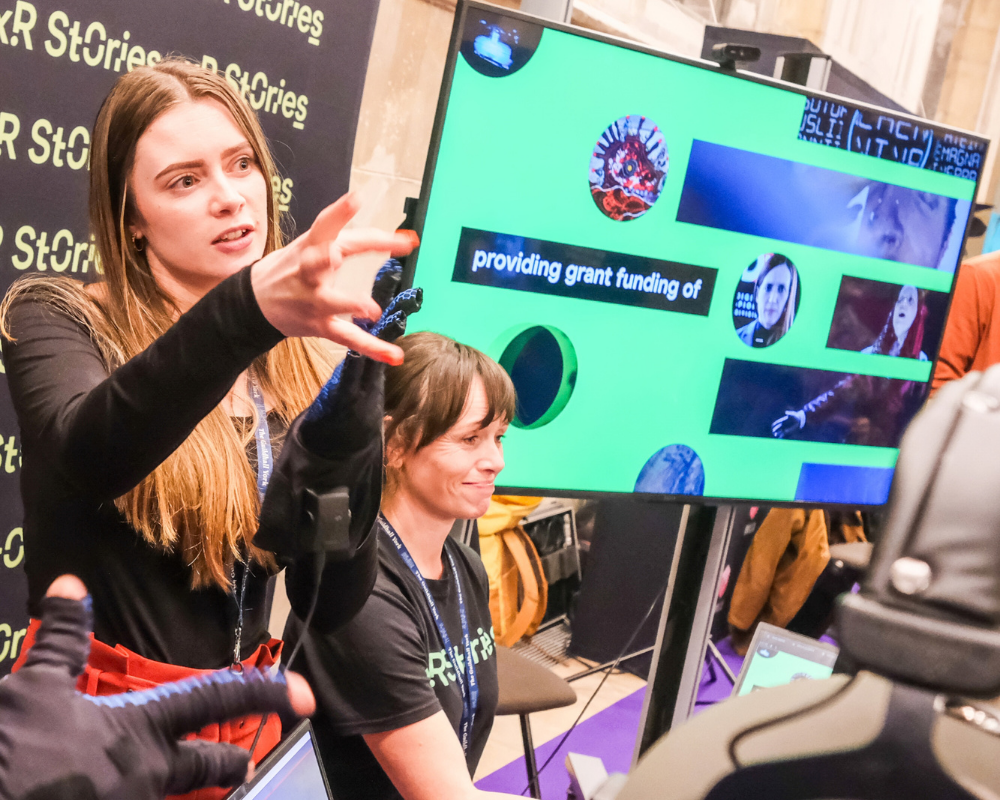
The Friday workshop and talk programme develops this idea through relationships and collective structures. Carol Bell of Creative UK considers stakeholder relationships, Caroline Cooper Charles of Screen Yorkshire examines clusters and collaboration, and Iris Cohen of Head Gear Films explores the mechanisms of co-production across rights, governance, financing and risk. PACT brings audience development into the discussion, while Pip Rymill of NatWest considers the connections between value, audiences, intellectual property, finance, collaboration and export. Taken together, the sessions reveal the complex network beneath the cultural economy – a network in which creative ambition depends upon access to expertise, capital, technology and meaningful professional relationships.
Such conversations acquire additional significance when considered against the UK’s international creative reputation. British film and television, music, gaming, advertising, fashion and design have become major cultural exports. Creative productions also activate wider economies, creating work across construction, hospitality, transport, catering, technology and specialist manufacturing. A production is not simply a cultural object; it can become an economic catalyst, drawing multiple sectors into its orbit. The EXPO reflects this interconnectedness by bringing businesses from different parts of the production chain into the same physical and intellectual space.
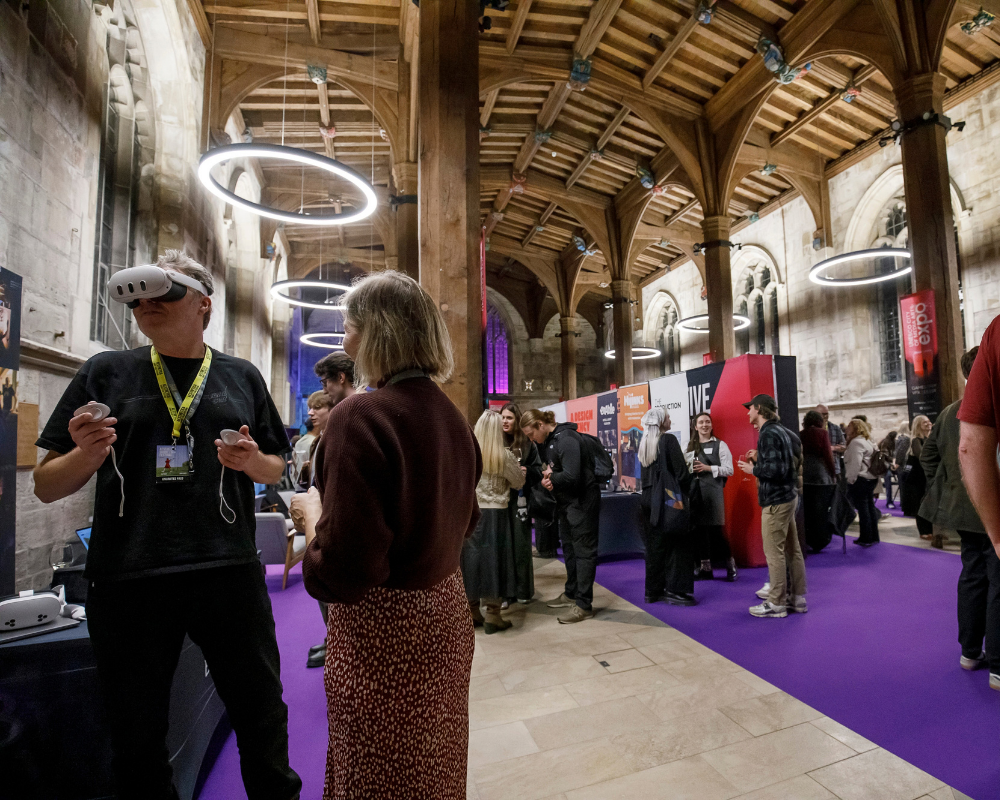
The programme also raises questions about access and participation. A creative economy can grow impressively at national level while opportunities remain unevenly distributed according to geography, education, networks and access to capital. Free entry to the EXPO creates open point of connection between established organisations, emerging practitioners, students and businesses. This matters particularly for younger workers entering a sector in which informal networks can play a significant role in progression. By making knowledge-sharing part of the event, the EXPO places skills and access alongside innovation as central to creative growth.
York’s UNESCO status adds another layer to this proposition. As one of 28 UNESCO Cities of Media Arts worldwide, the city belongs to an international network that includes Austin, Sapporo and Toronto, providing a framework through which local activity can connect with global conversations around technology, culture and urban development. The EXPO turns that designation into something active – a platform for exchange rather than simply a mark of recognition. Its regional focus is therefore paired with an international outlook, reflecting the way contemporary creative businesses increasingly operate across borders while remaining rooted in particular places.
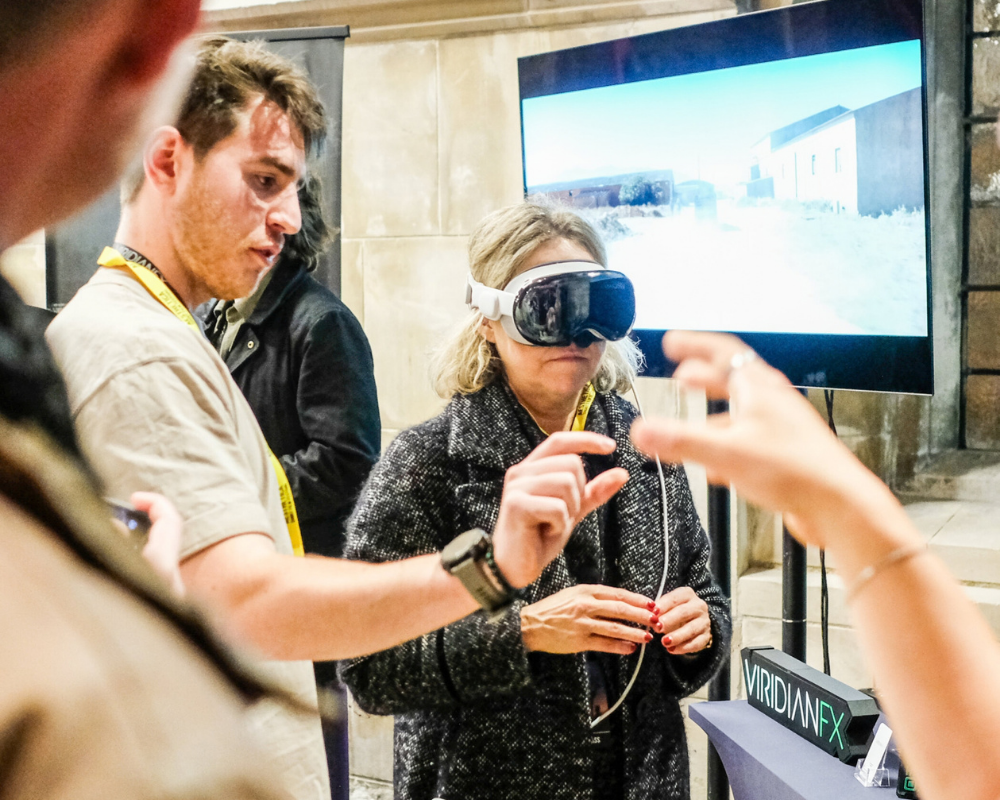
The EXPO’s significance lies in its location outside the capital – demonstrating how creative economies can develop through regional ecosystems with their own identities, expertise and international connections. In York, games development can sit alongside fine art; virtual production alongside print; theatre alongside software; and business development alongside artistic experimentation. This proximity challenges the assumption that creative growth must be concentrated within London, highlighting the potential of regional cities to cultivate distinctive networks of talent, technology, enterprise and cultural production. As Britain seeks to grow its creative industries by £50 billion and support one million additional jobs by 2030, where that growth takes place becomes increasingly consequential. York offers a compelling example of what a more distributed creative economy could look like – one in which cultural ambition and economic opportunity can flourish beyond the capital.
The UNESCO City of Media Arts runs as part of Aesthetica Film Festival from 5-6 November at De Grey Rooms.
Click here to learn more and view the 40 exhibitors at this year’s EXPO.
Click here to see register for the free EXPO workshops.
Words: Simon Cartwright